Ayan Farah

Ayan Farah
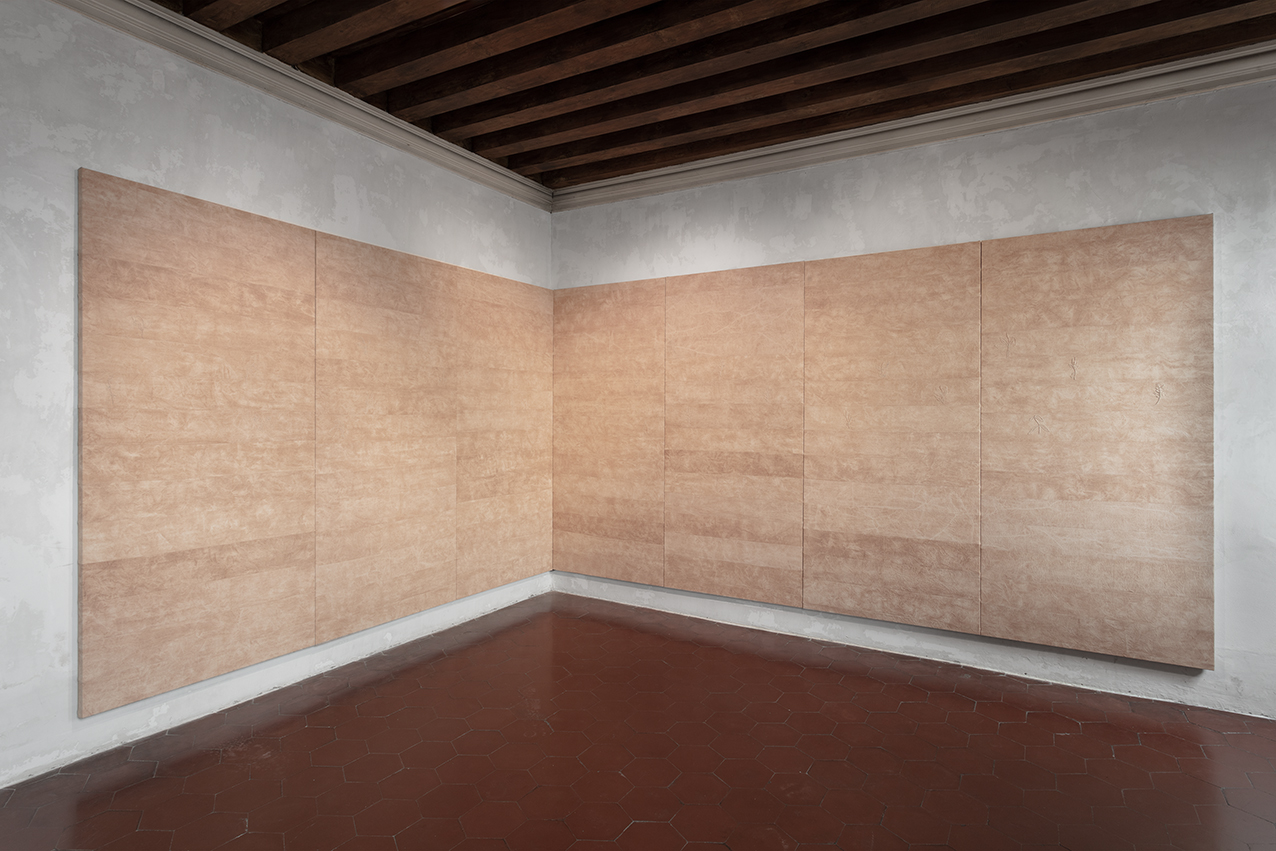
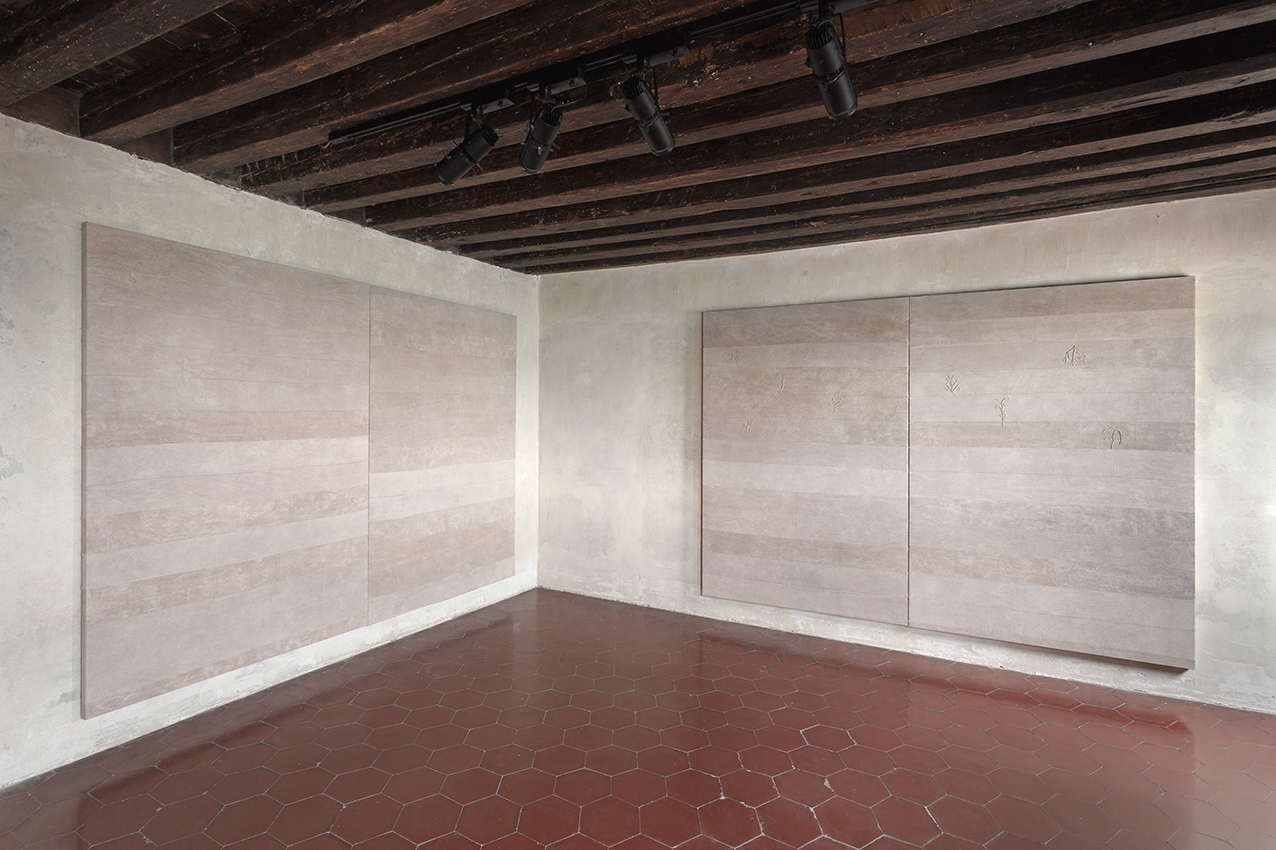
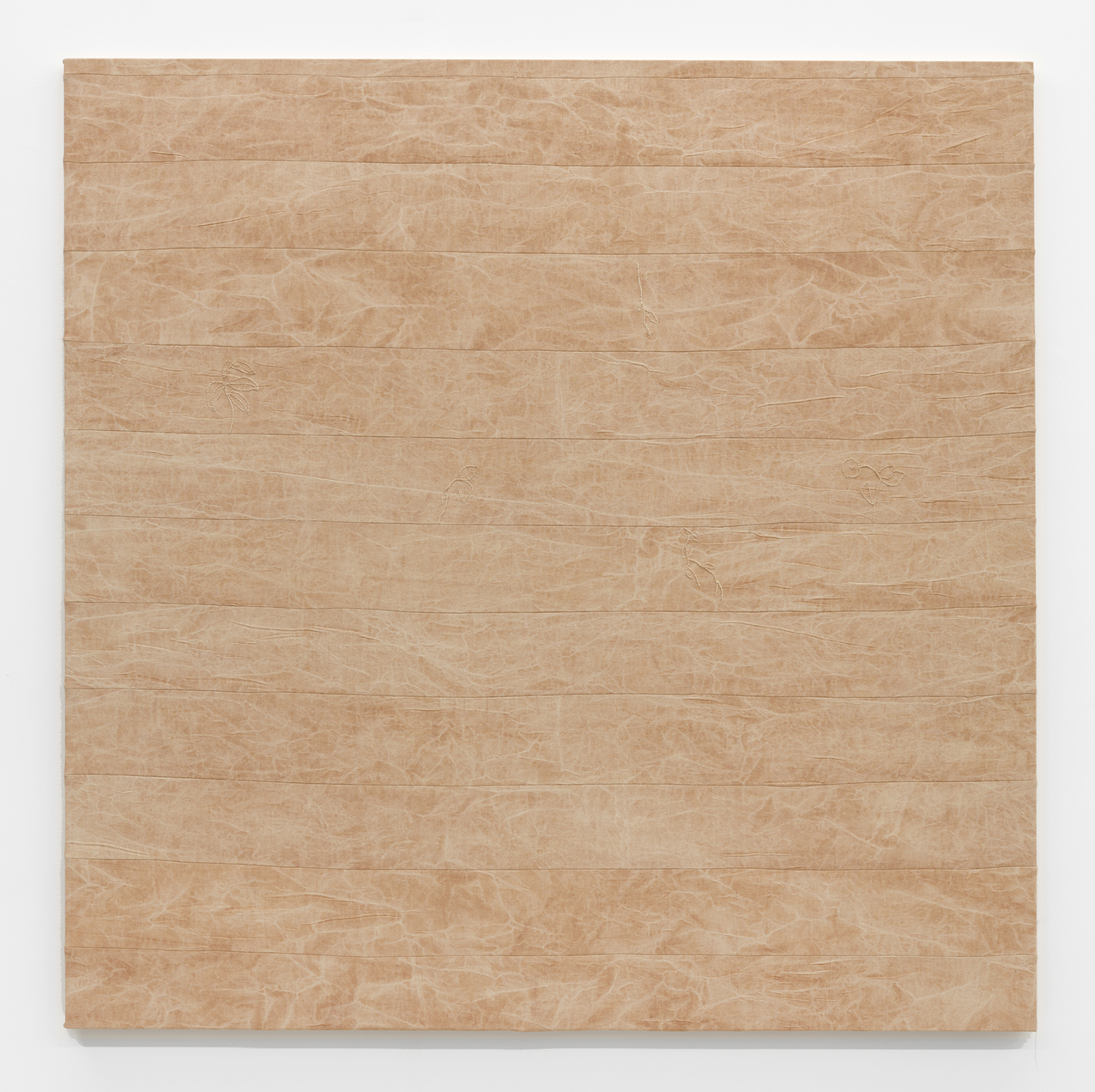
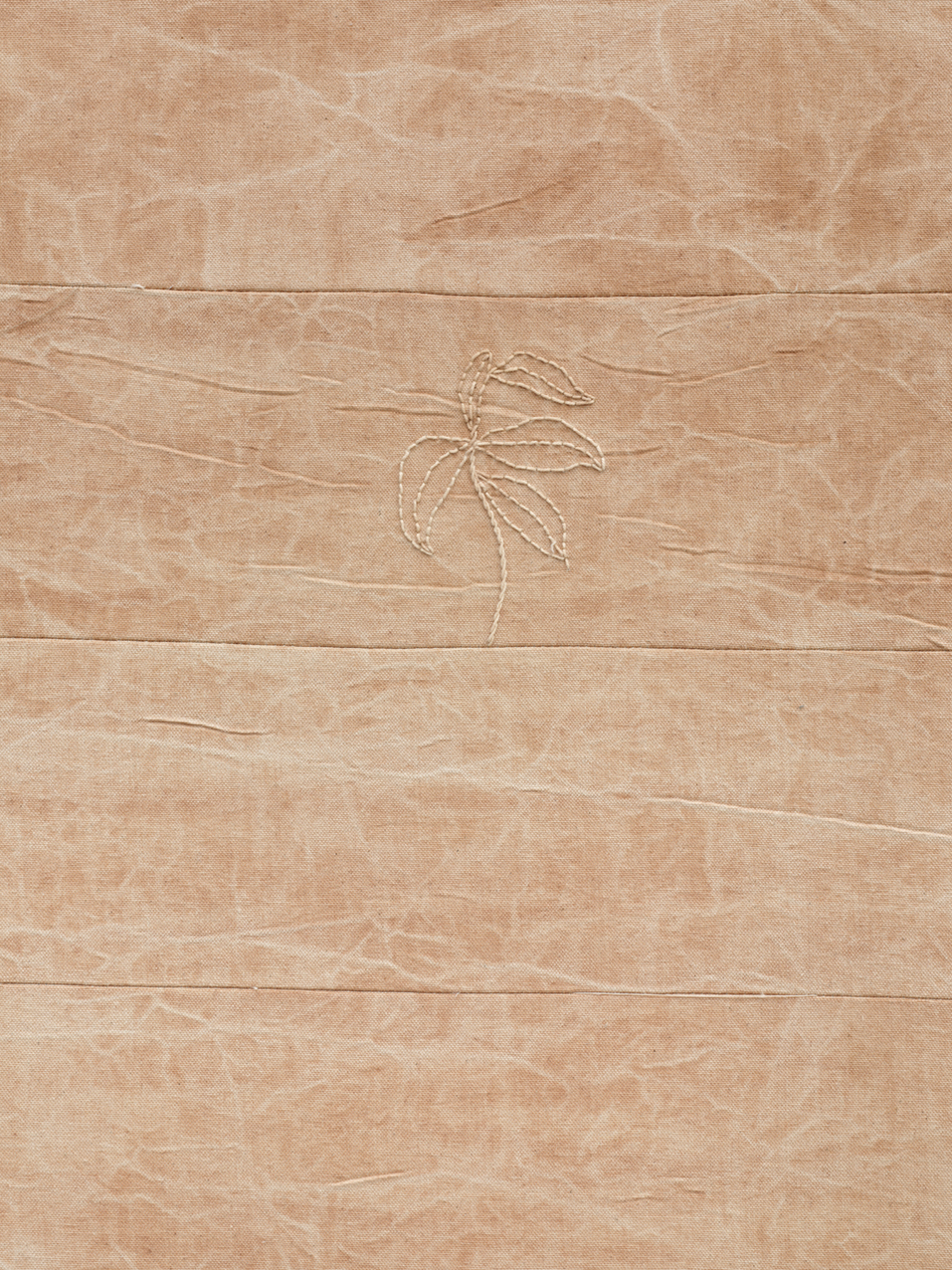
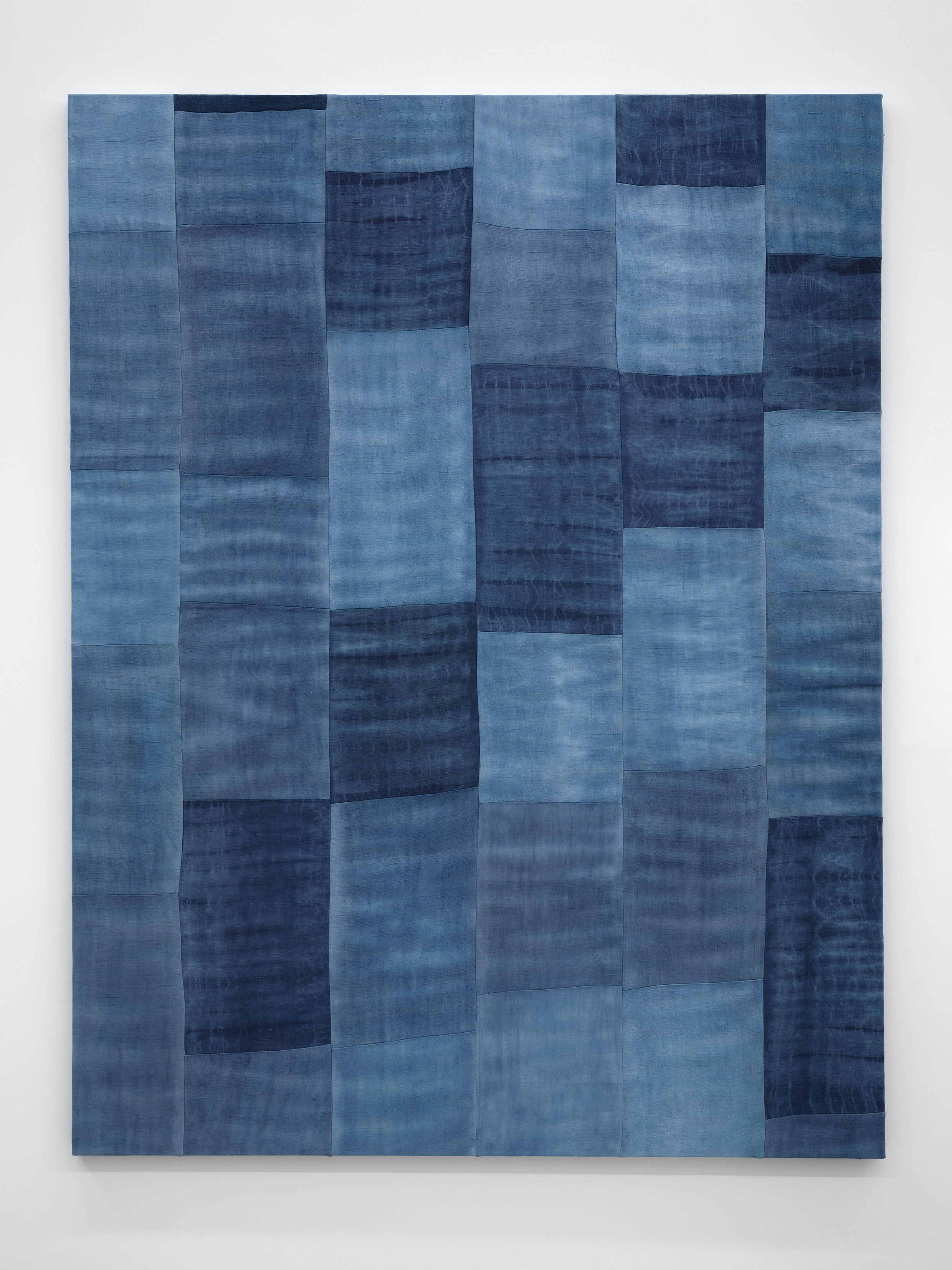
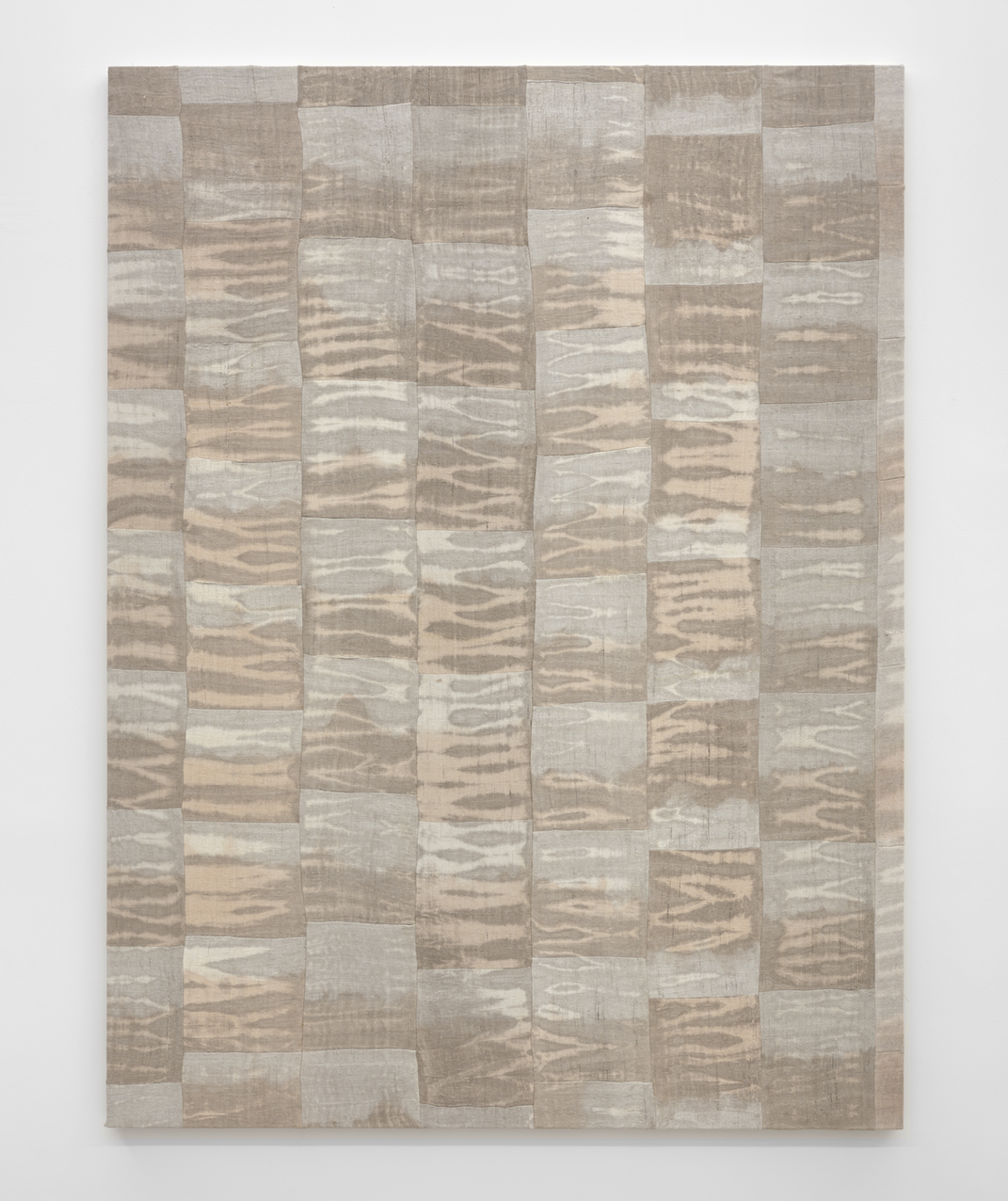
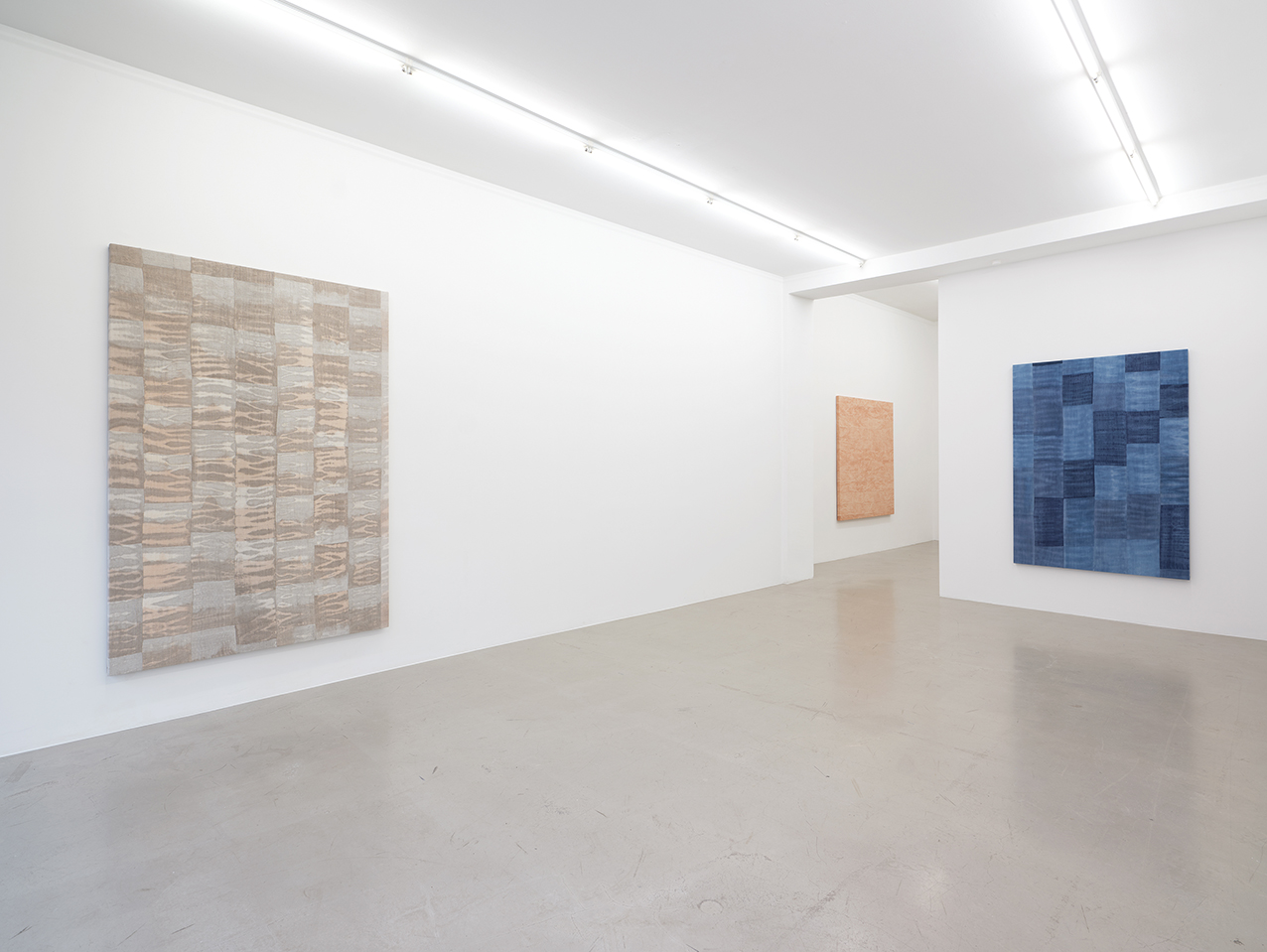
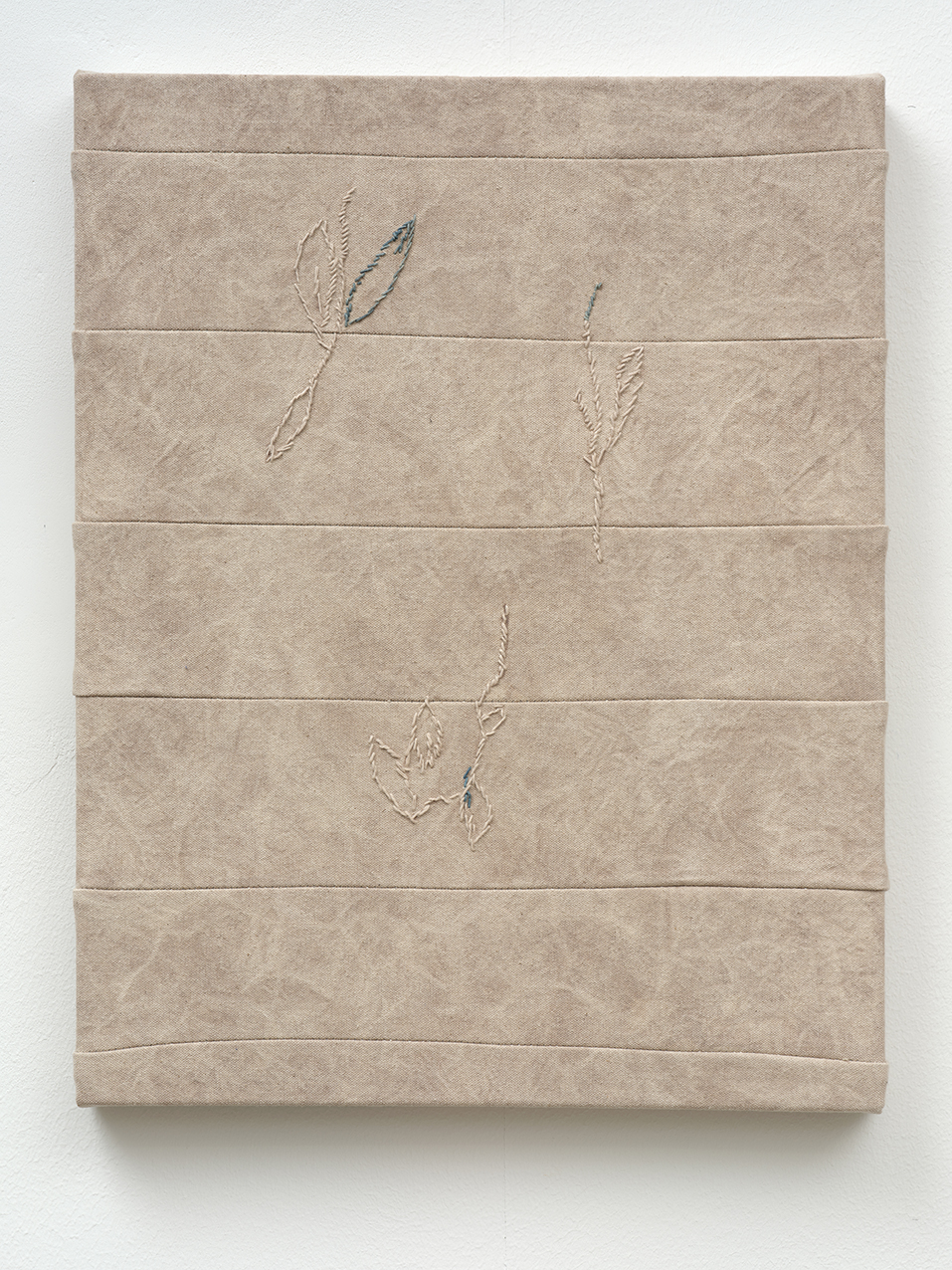
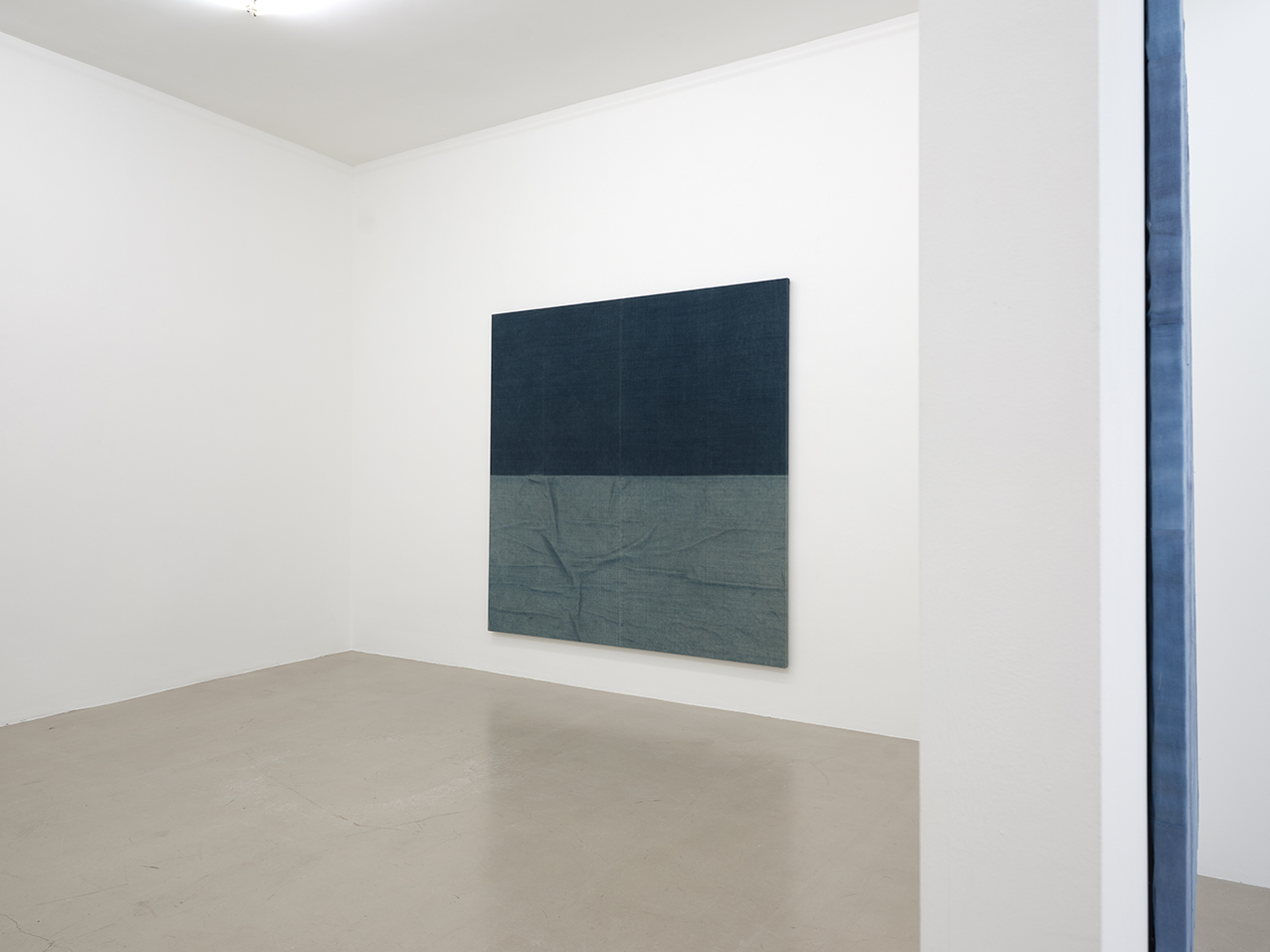
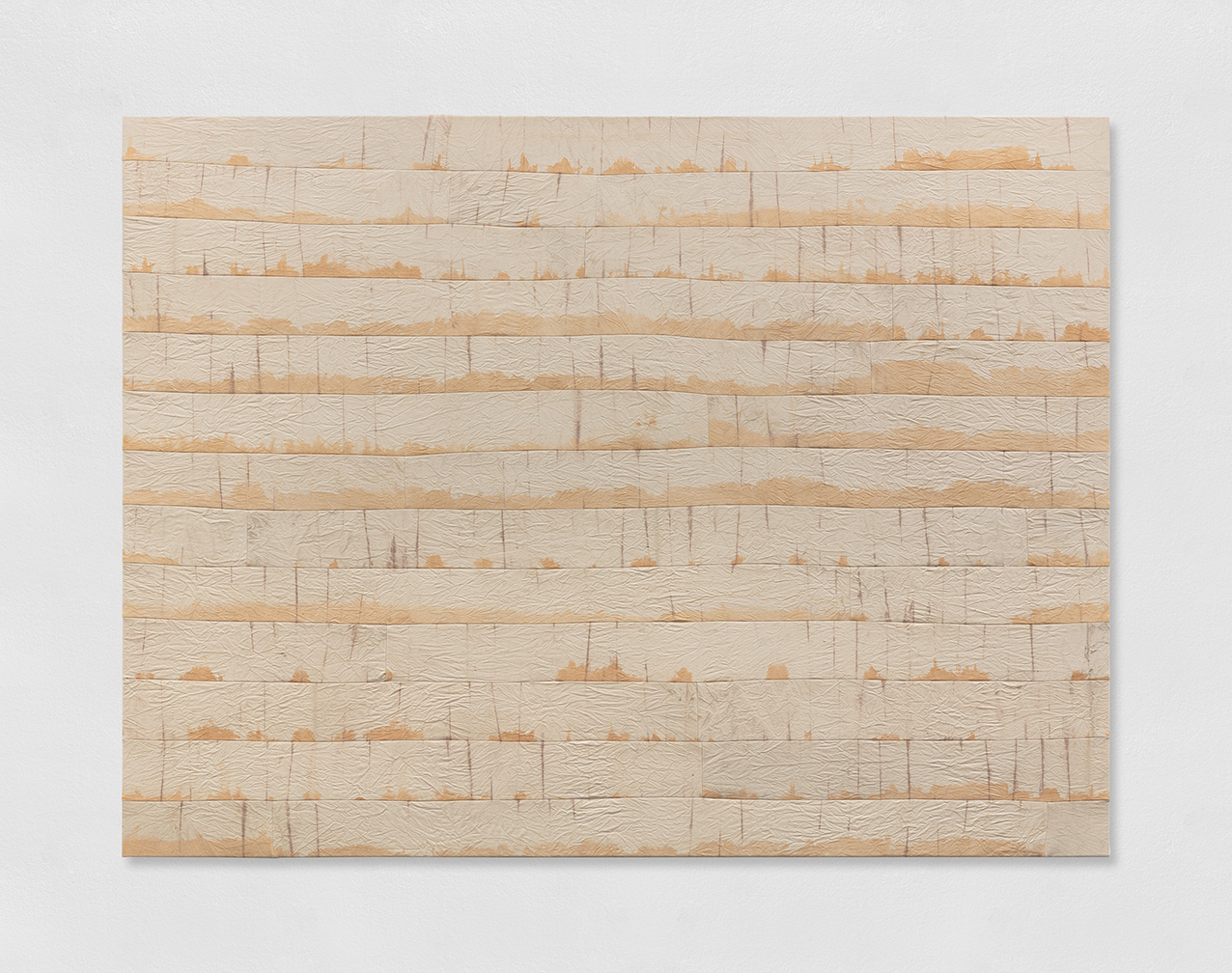
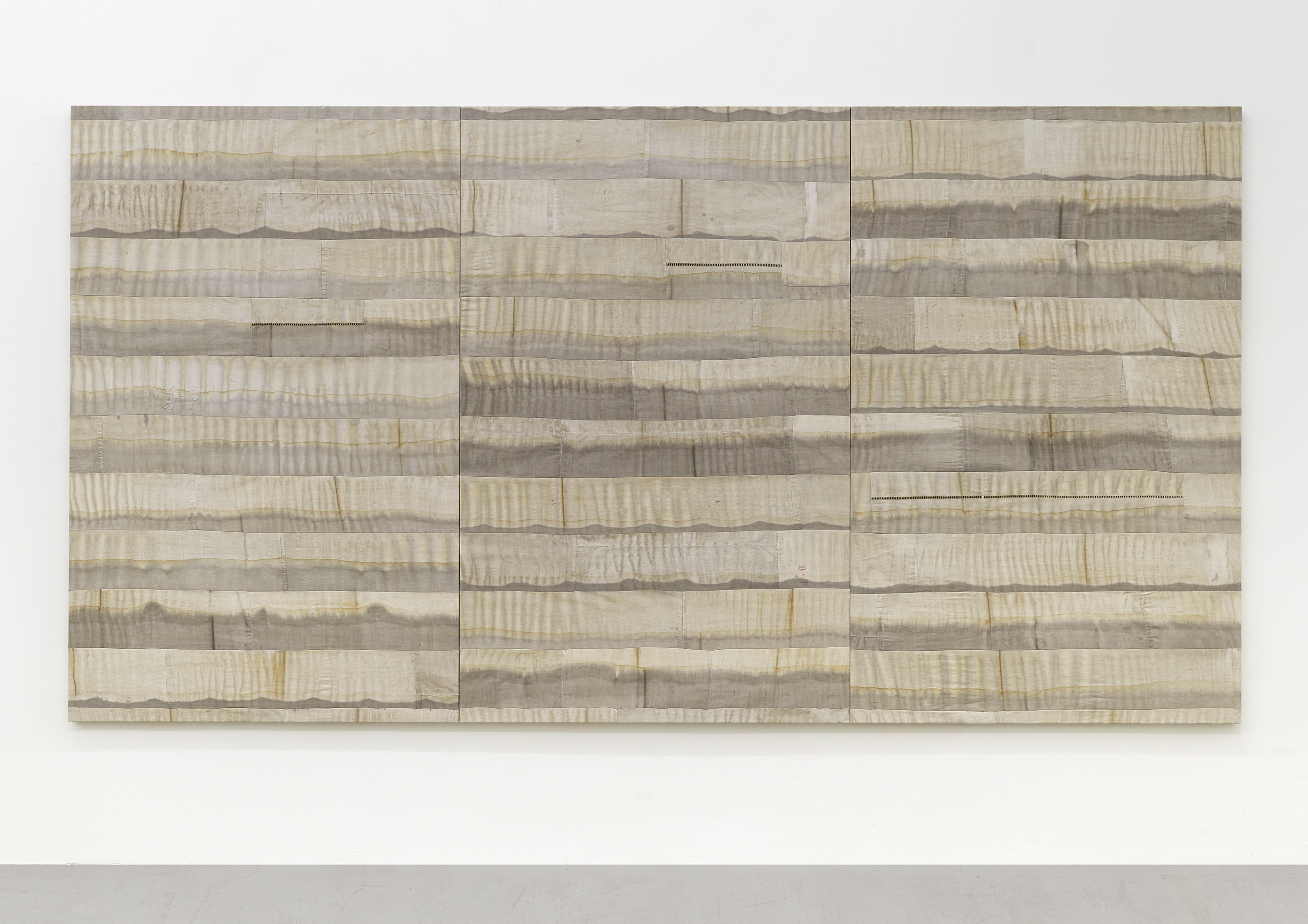
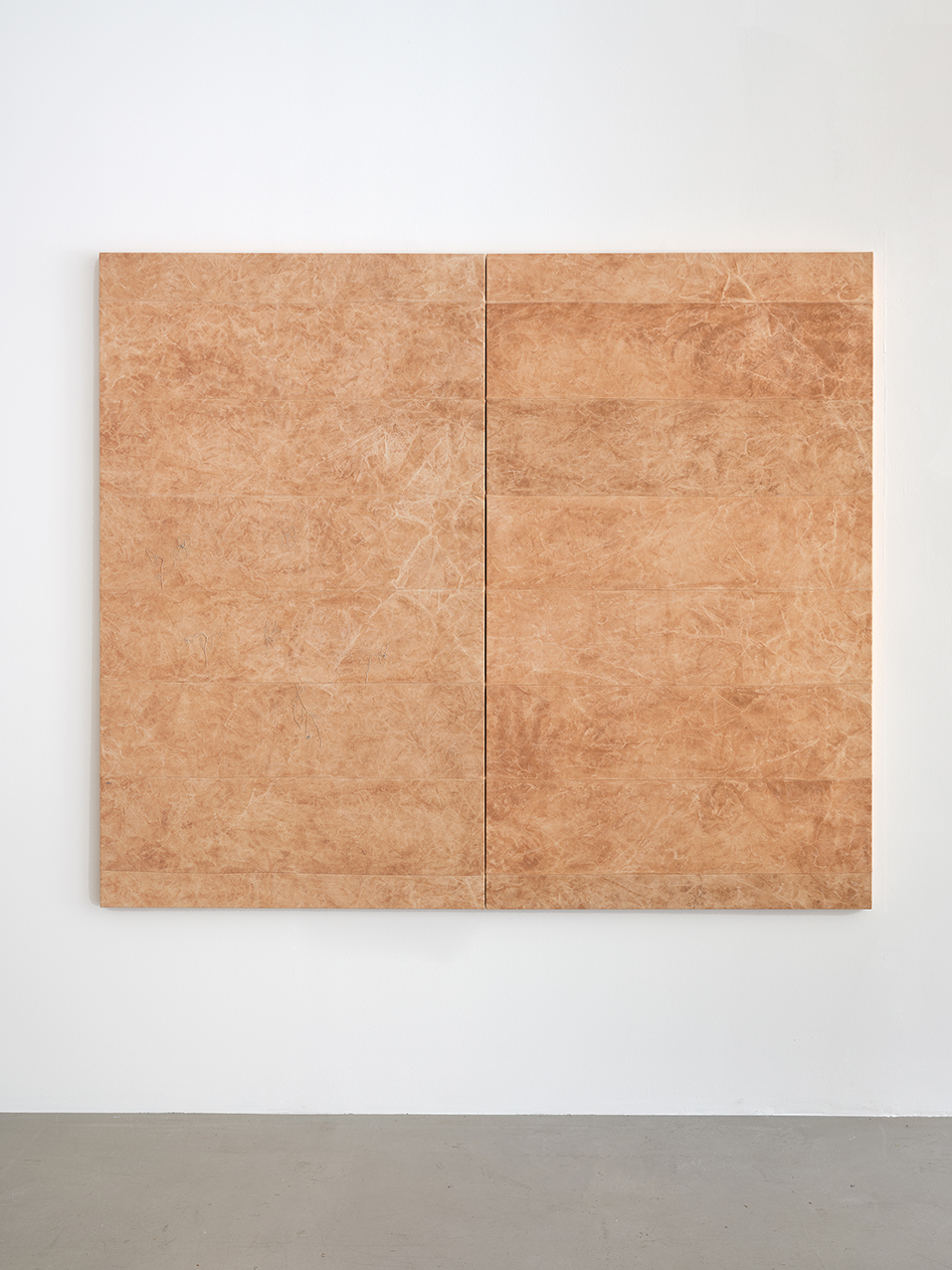
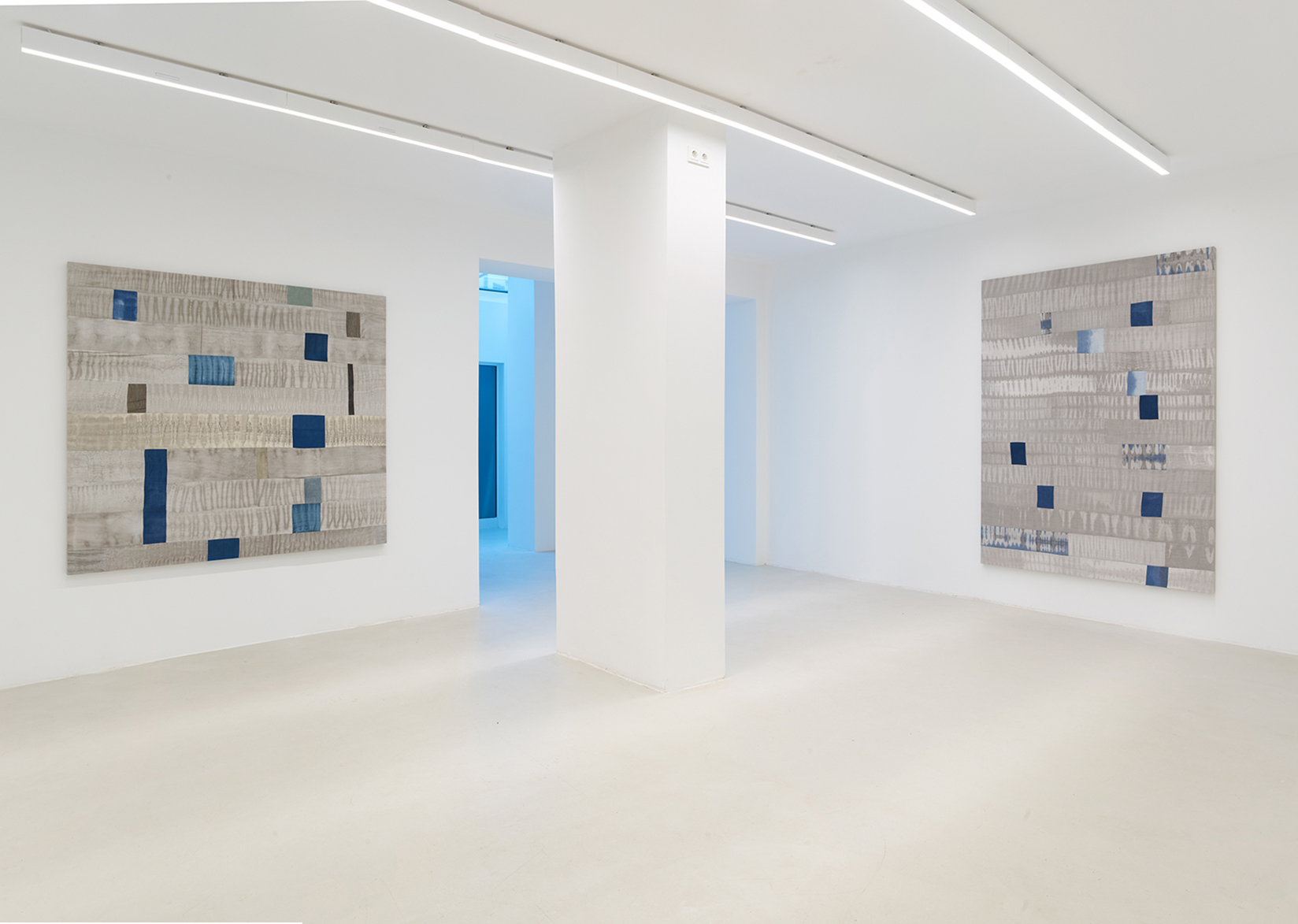
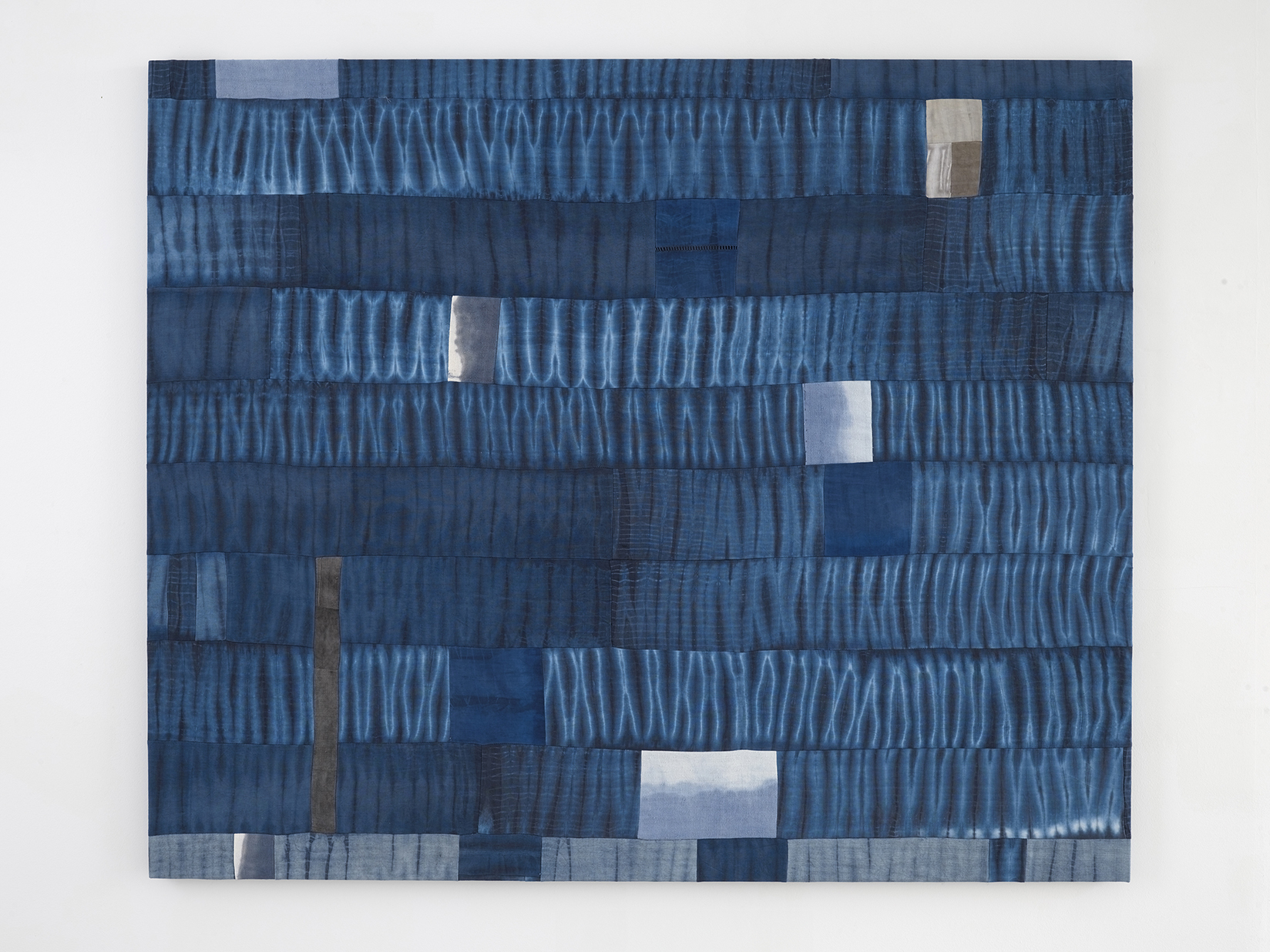
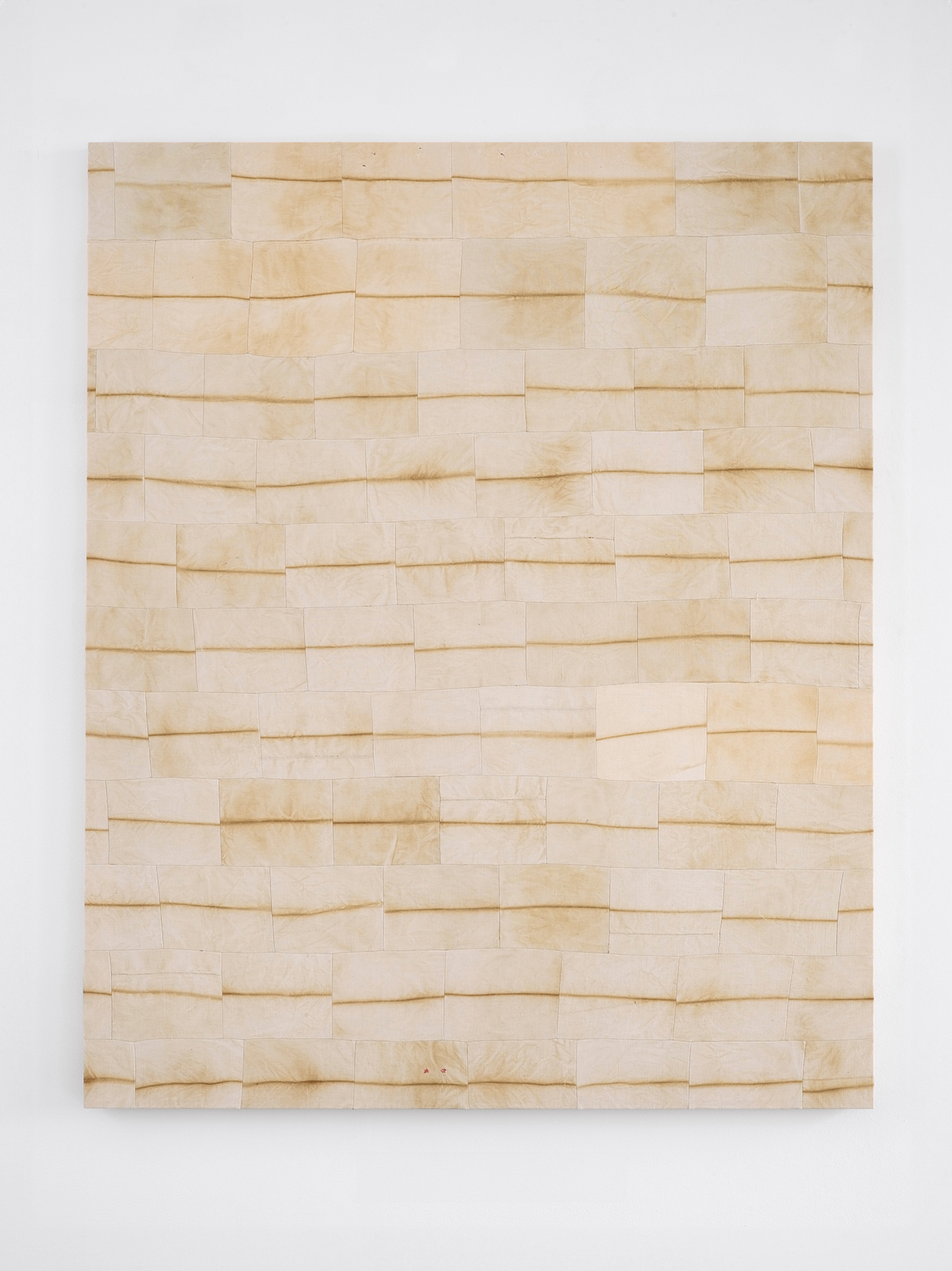
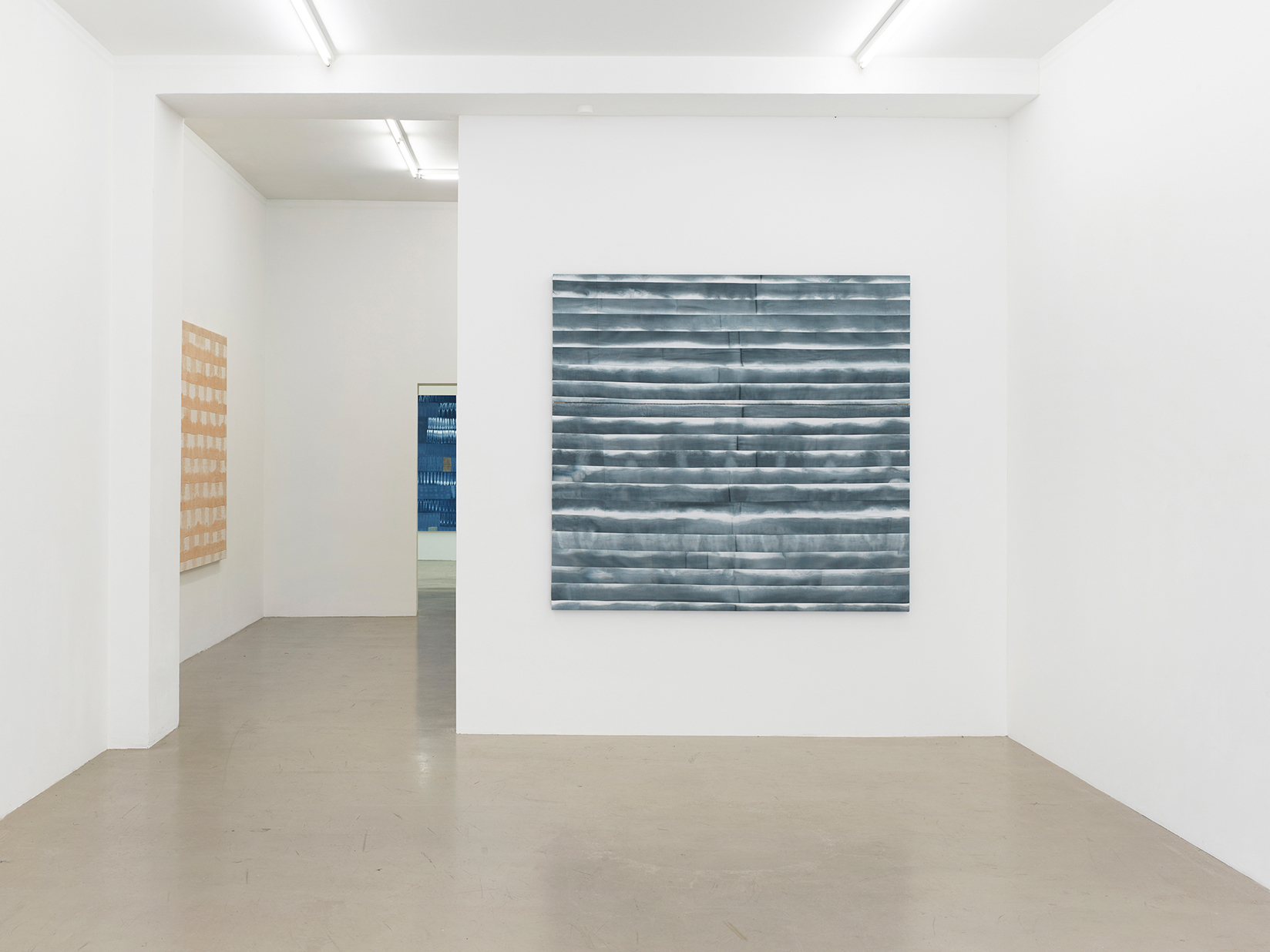
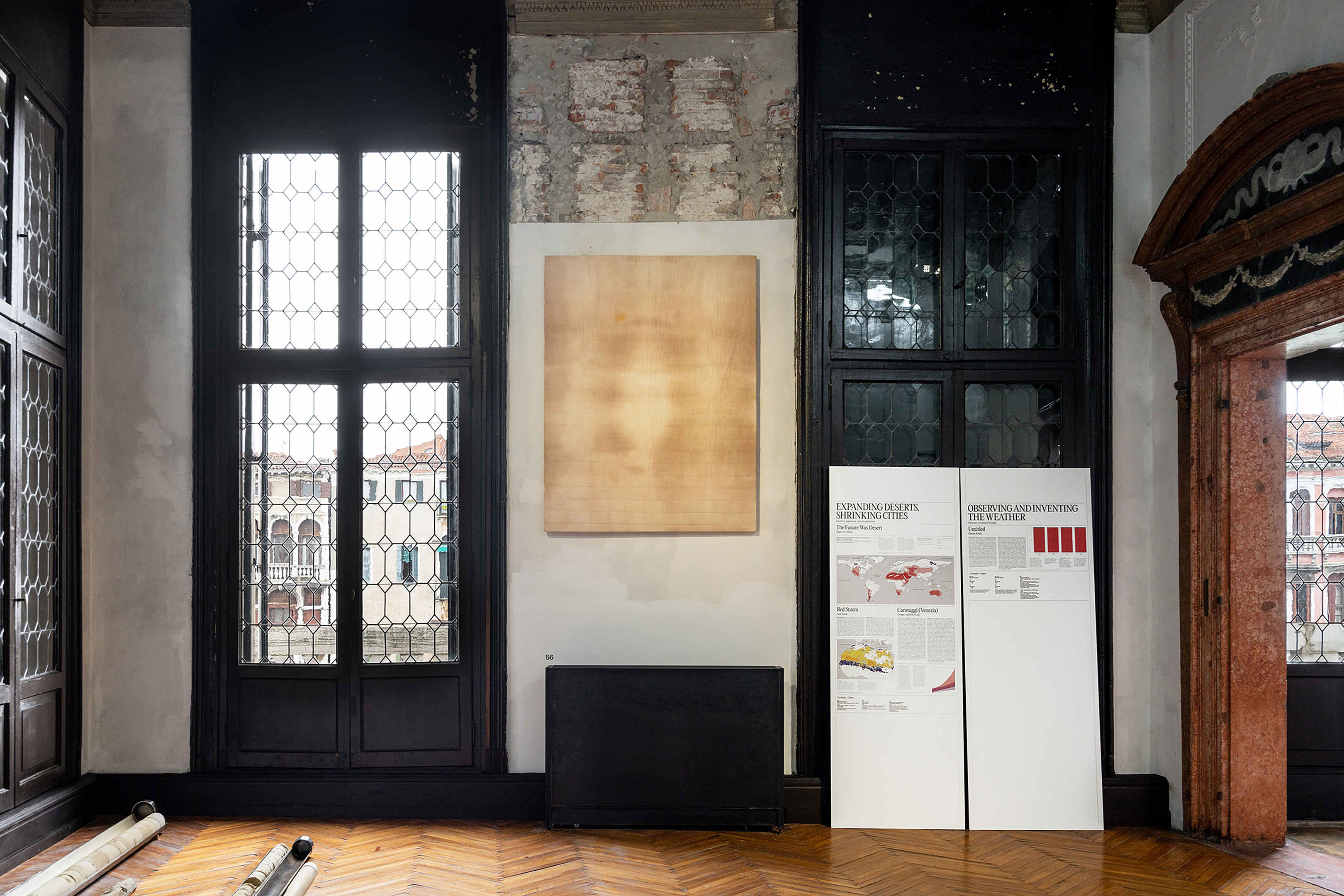
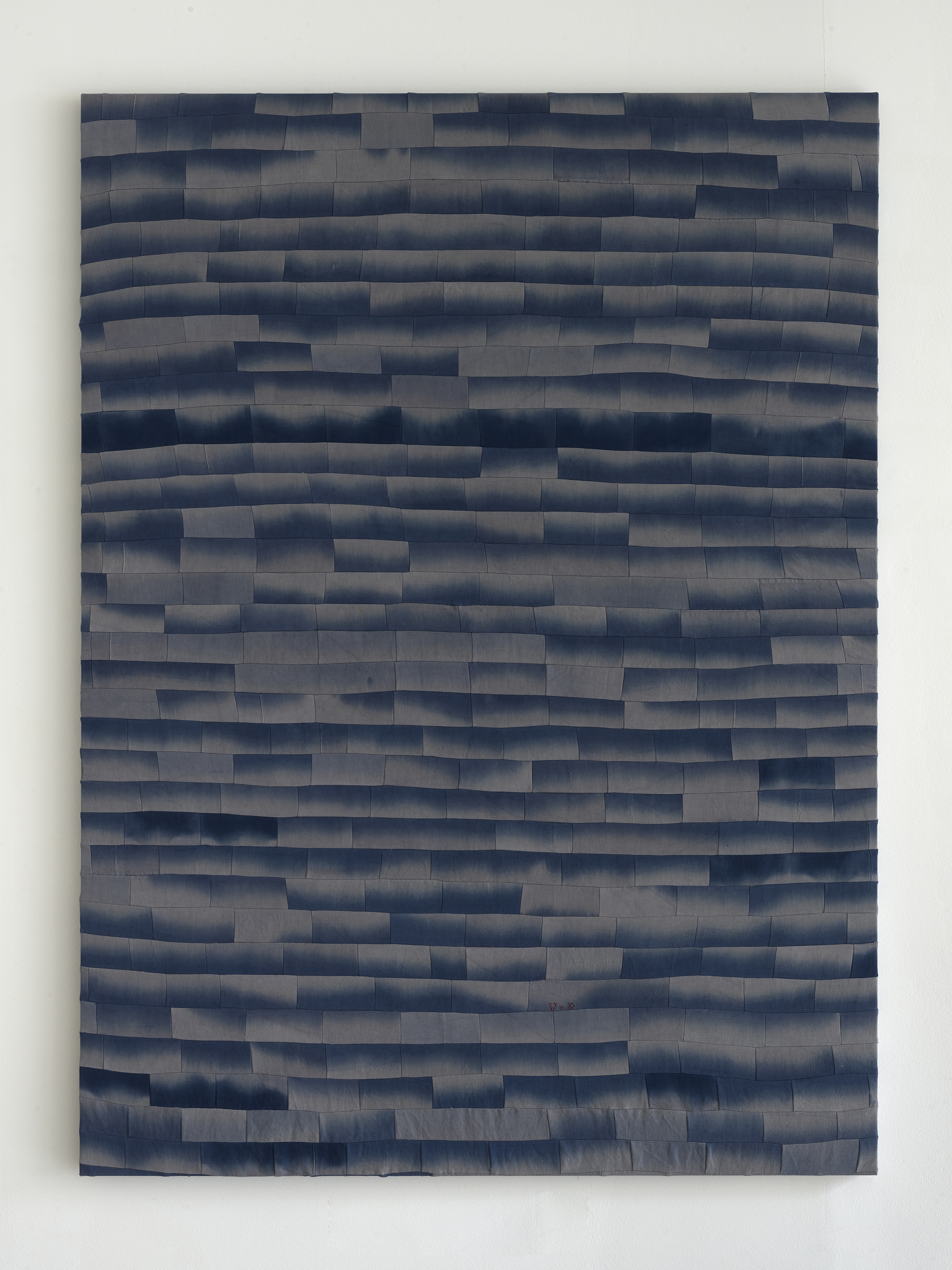
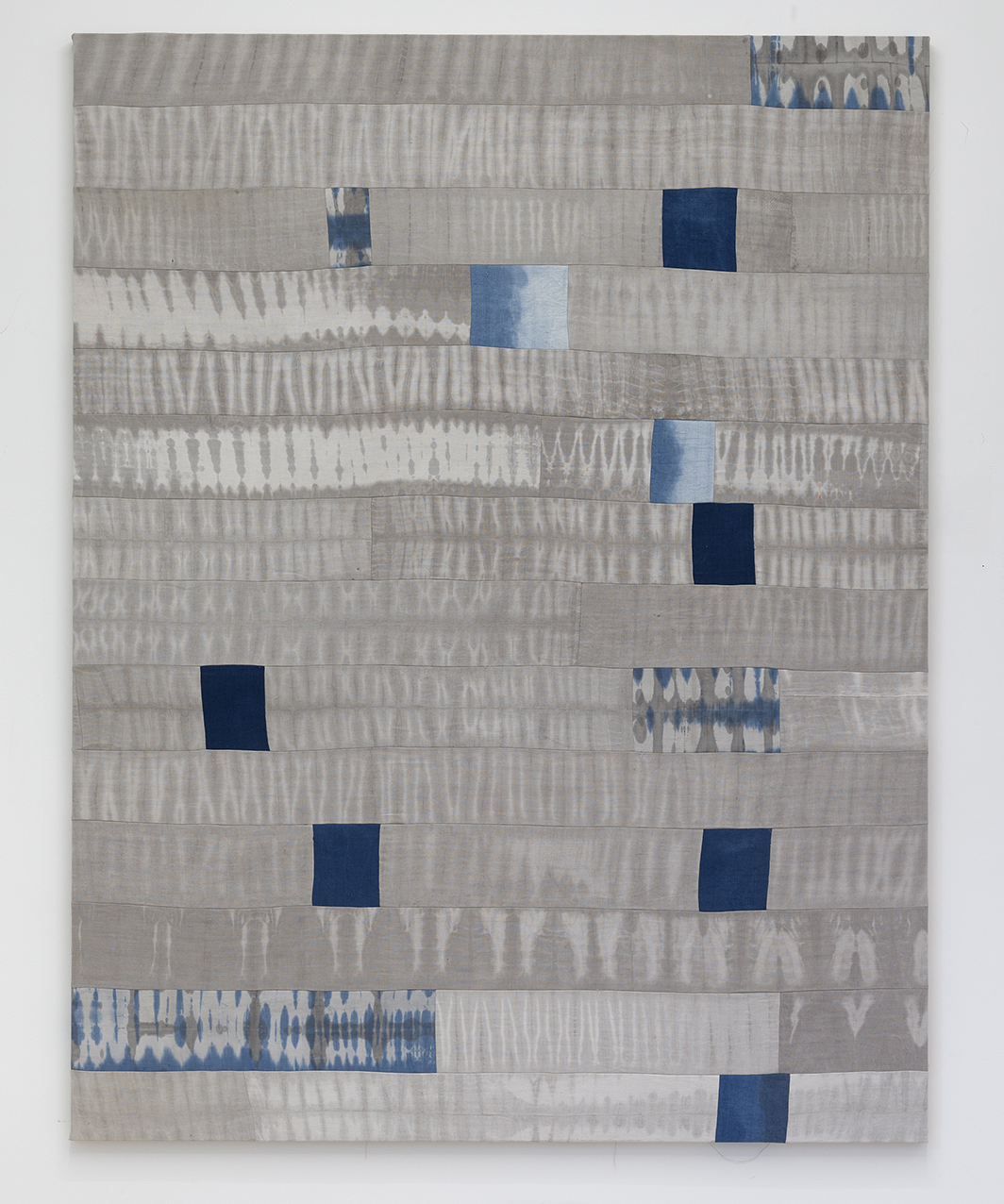
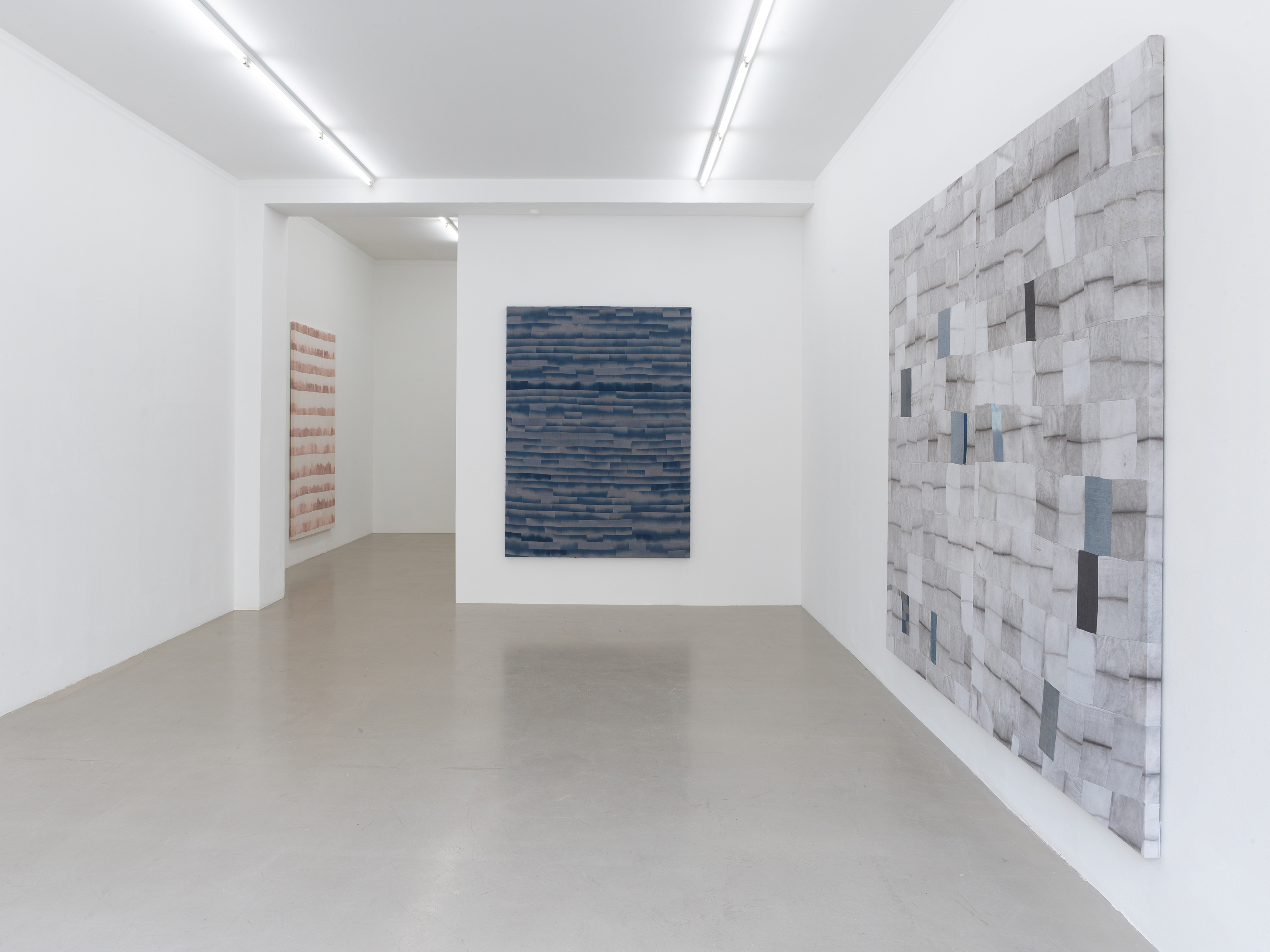
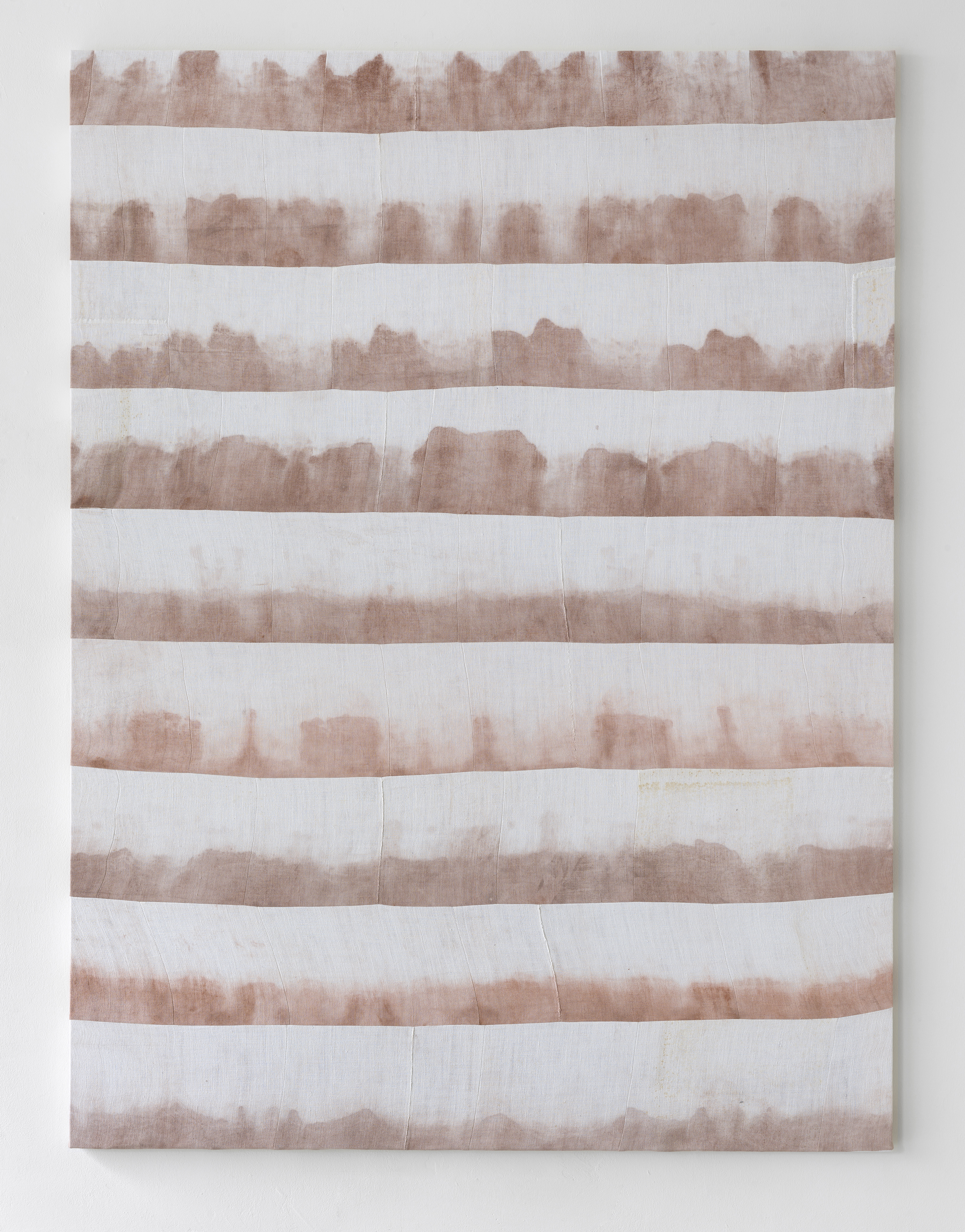
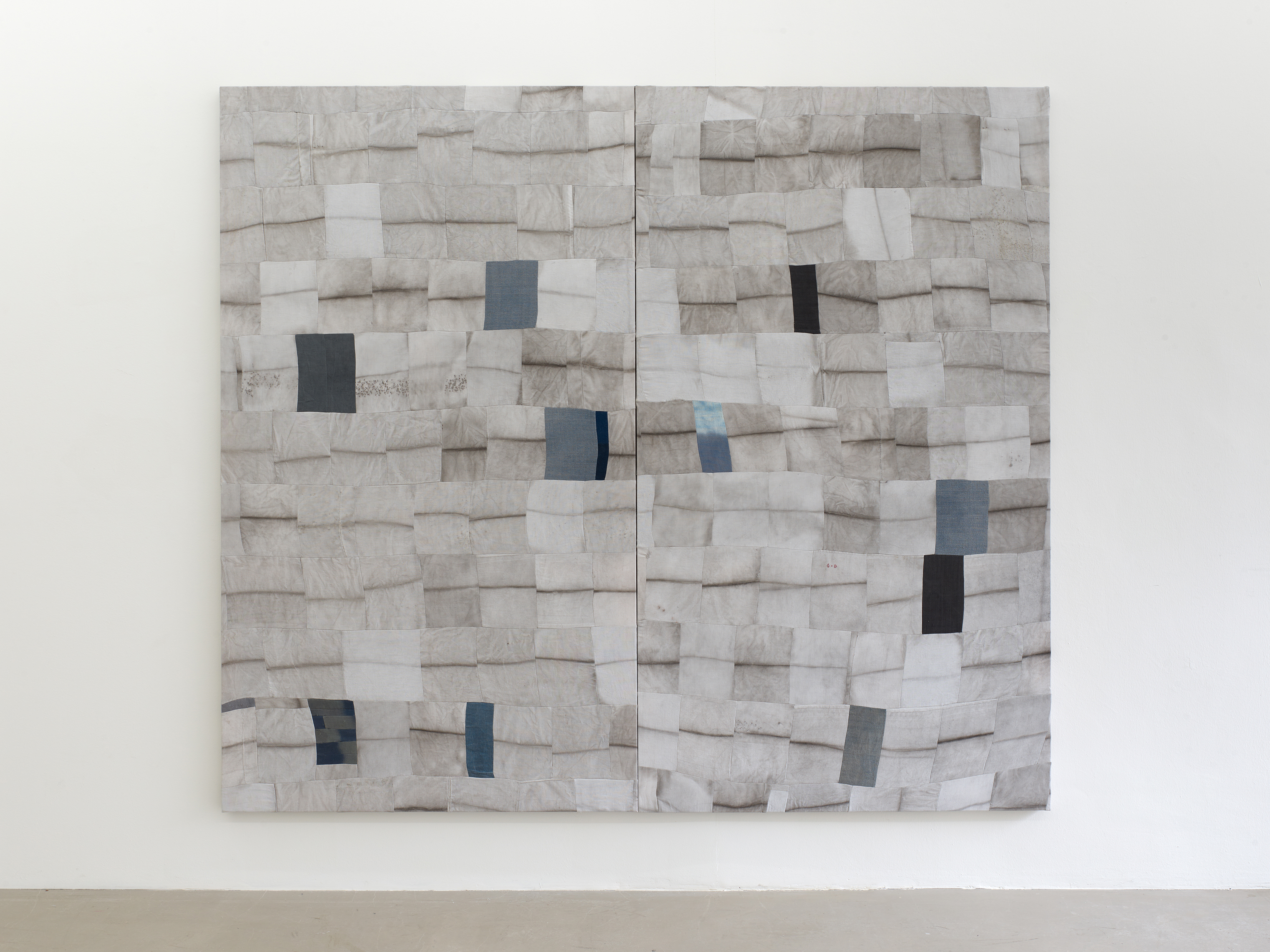
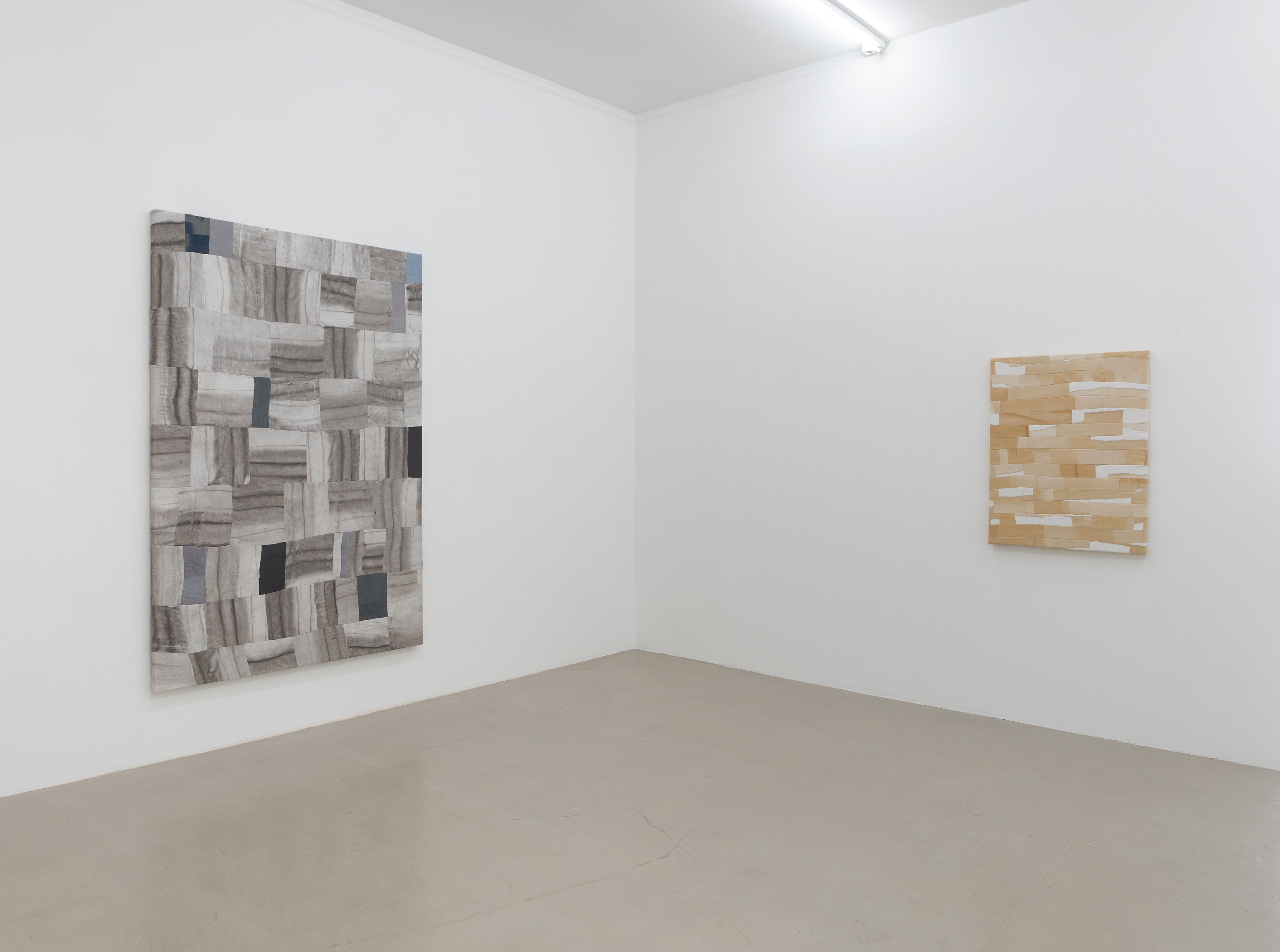
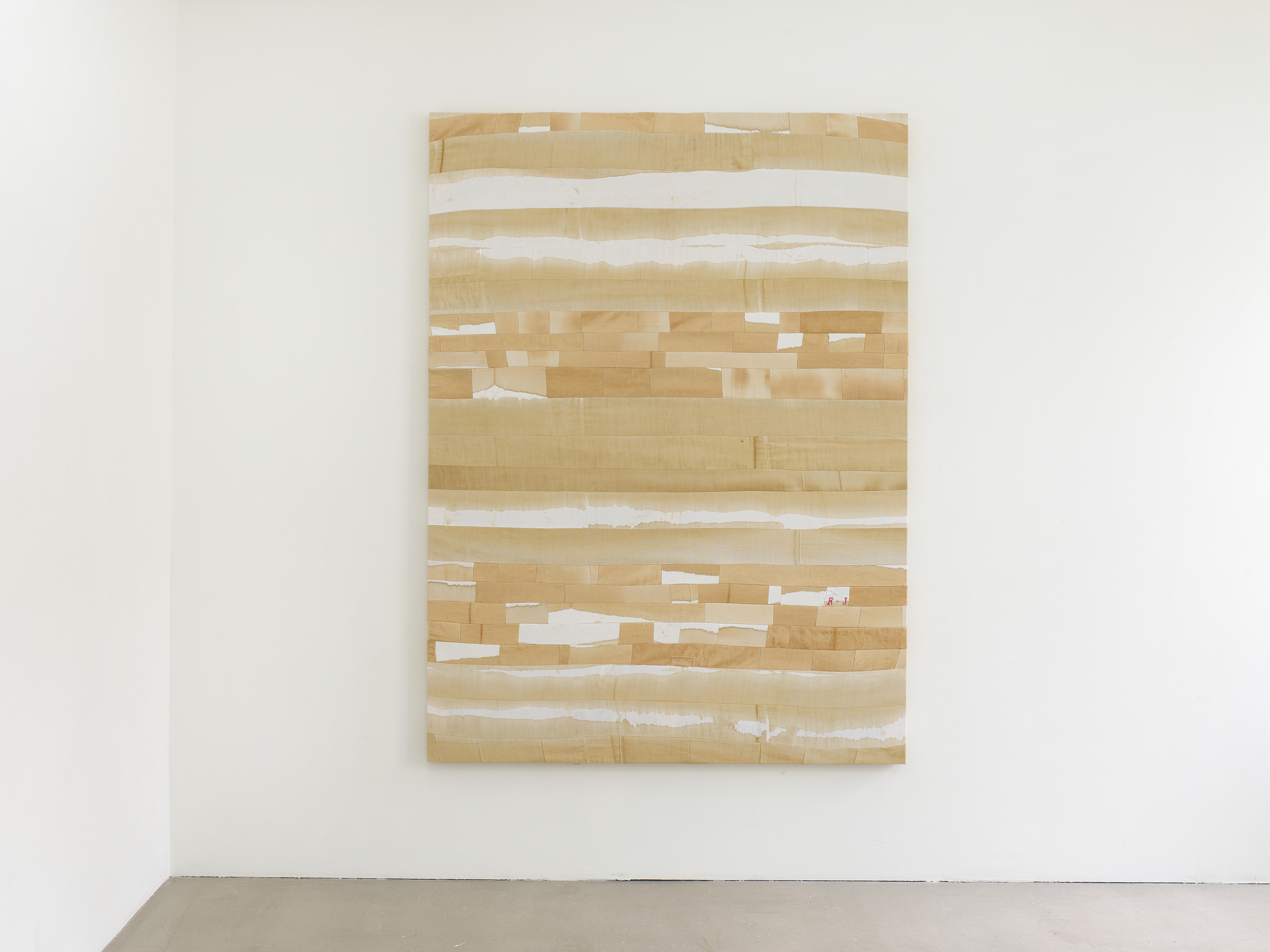
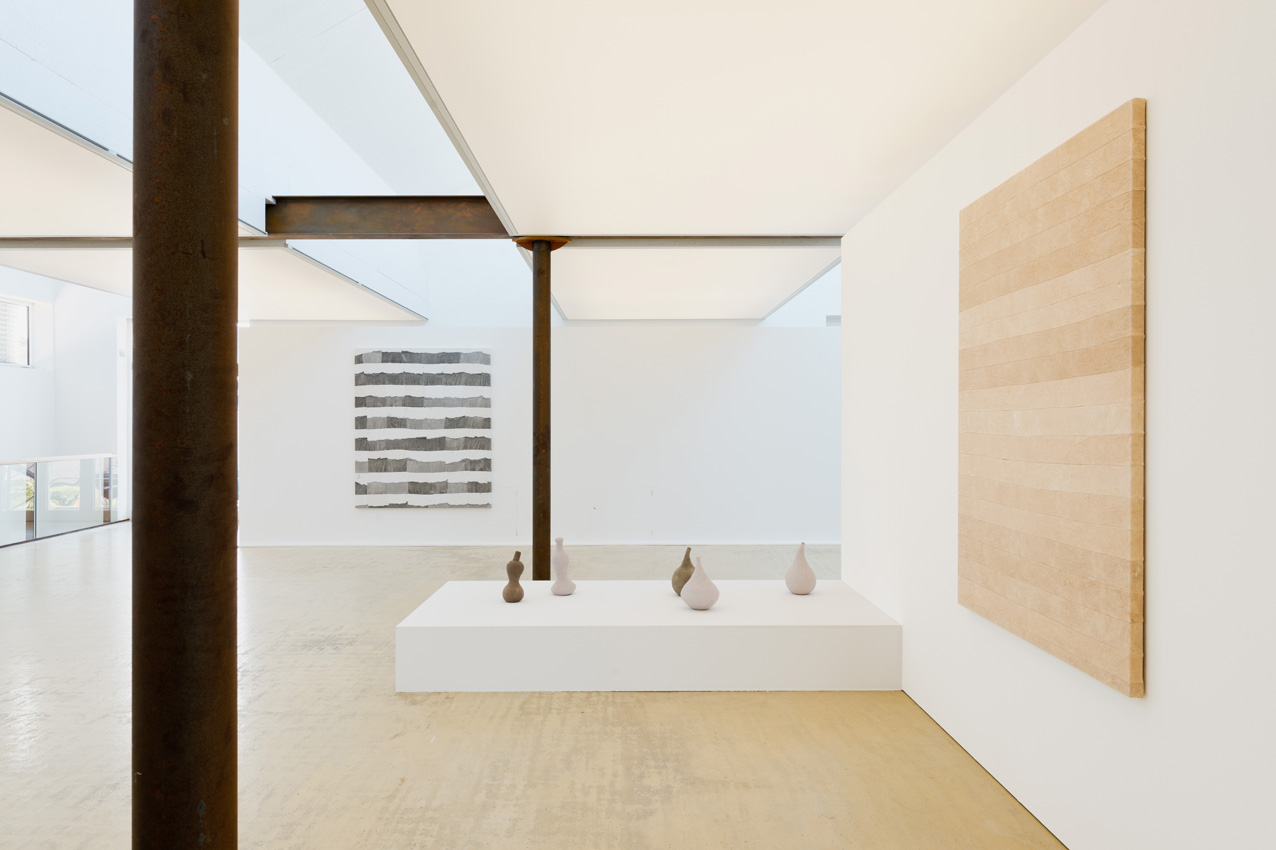
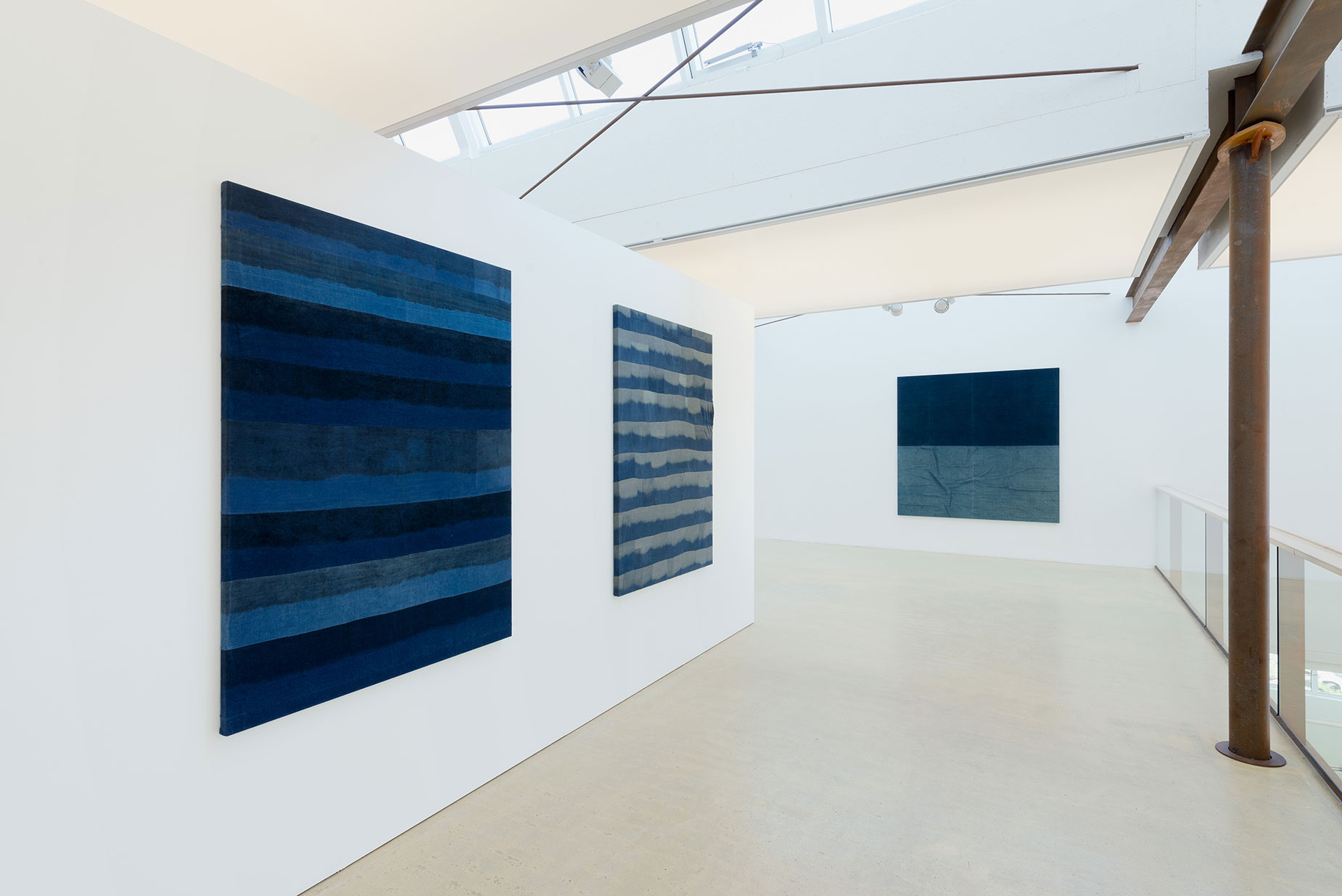
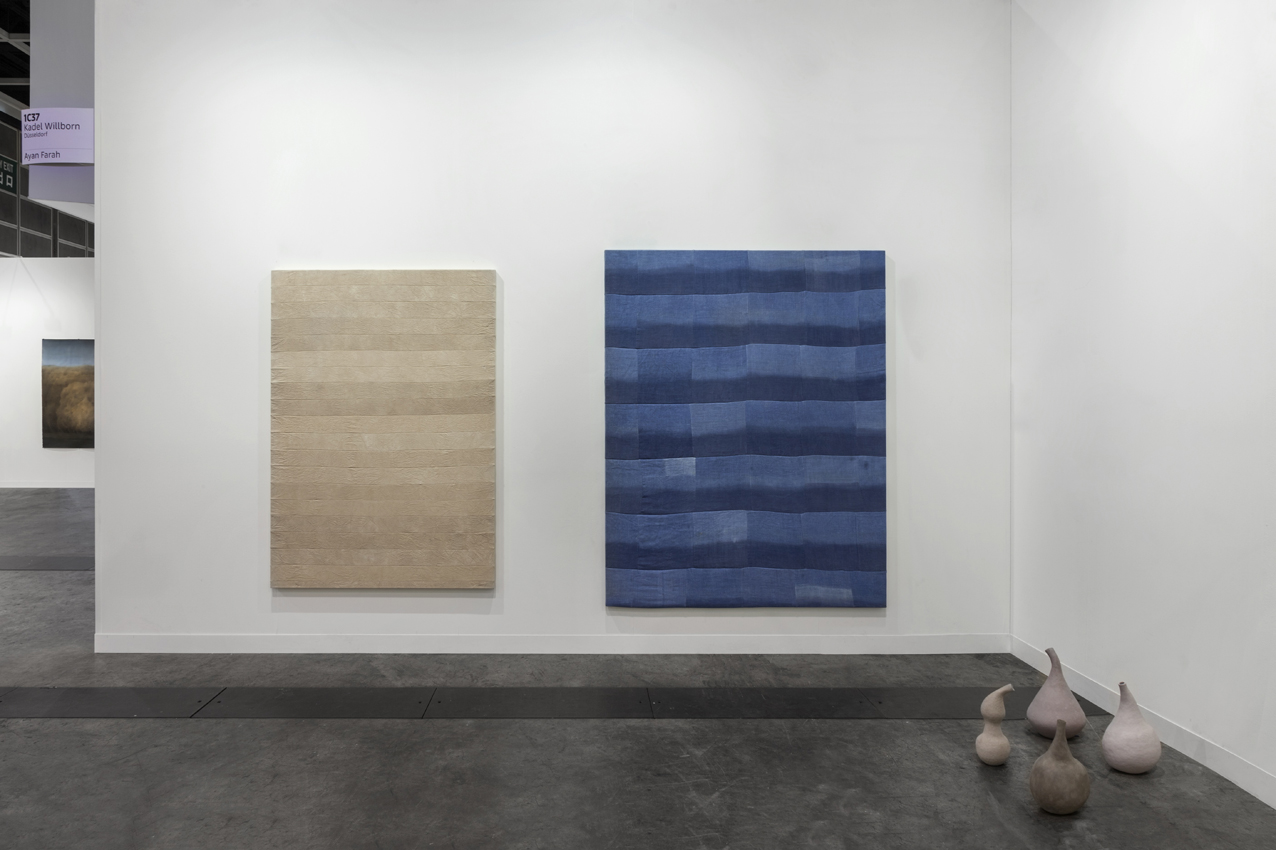
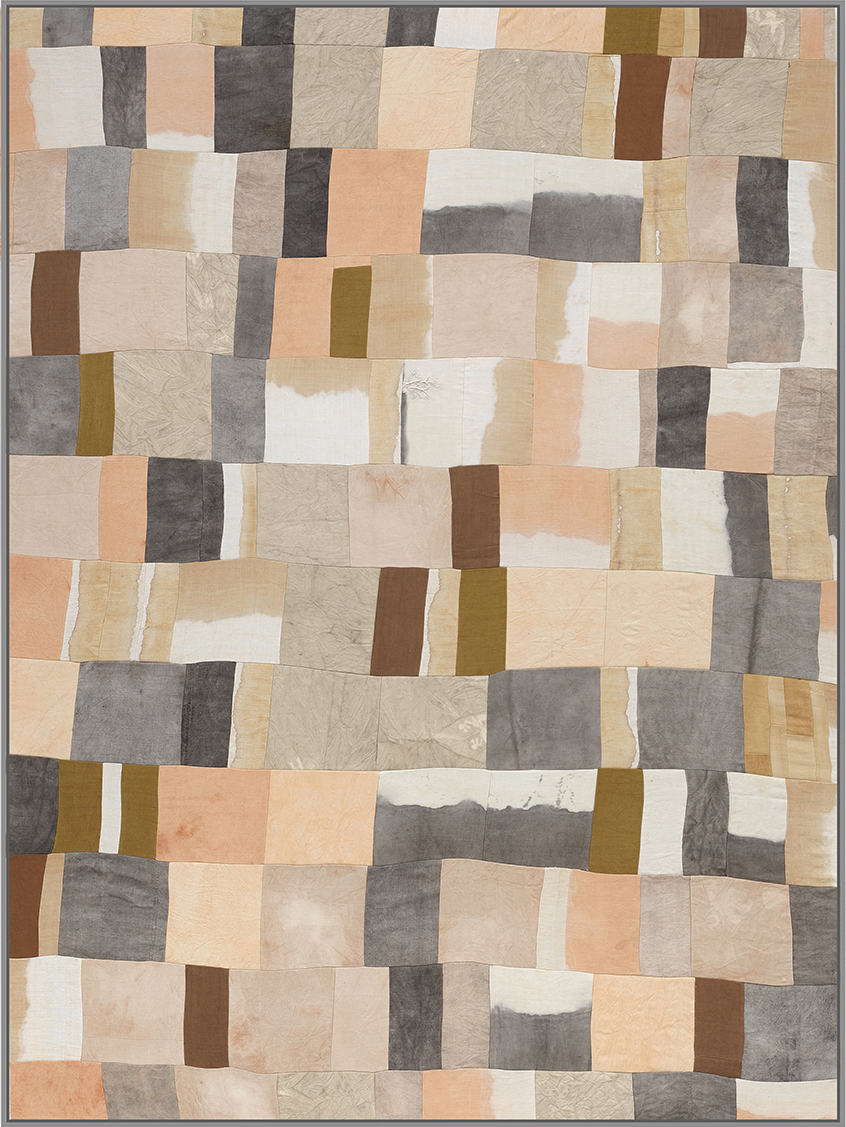
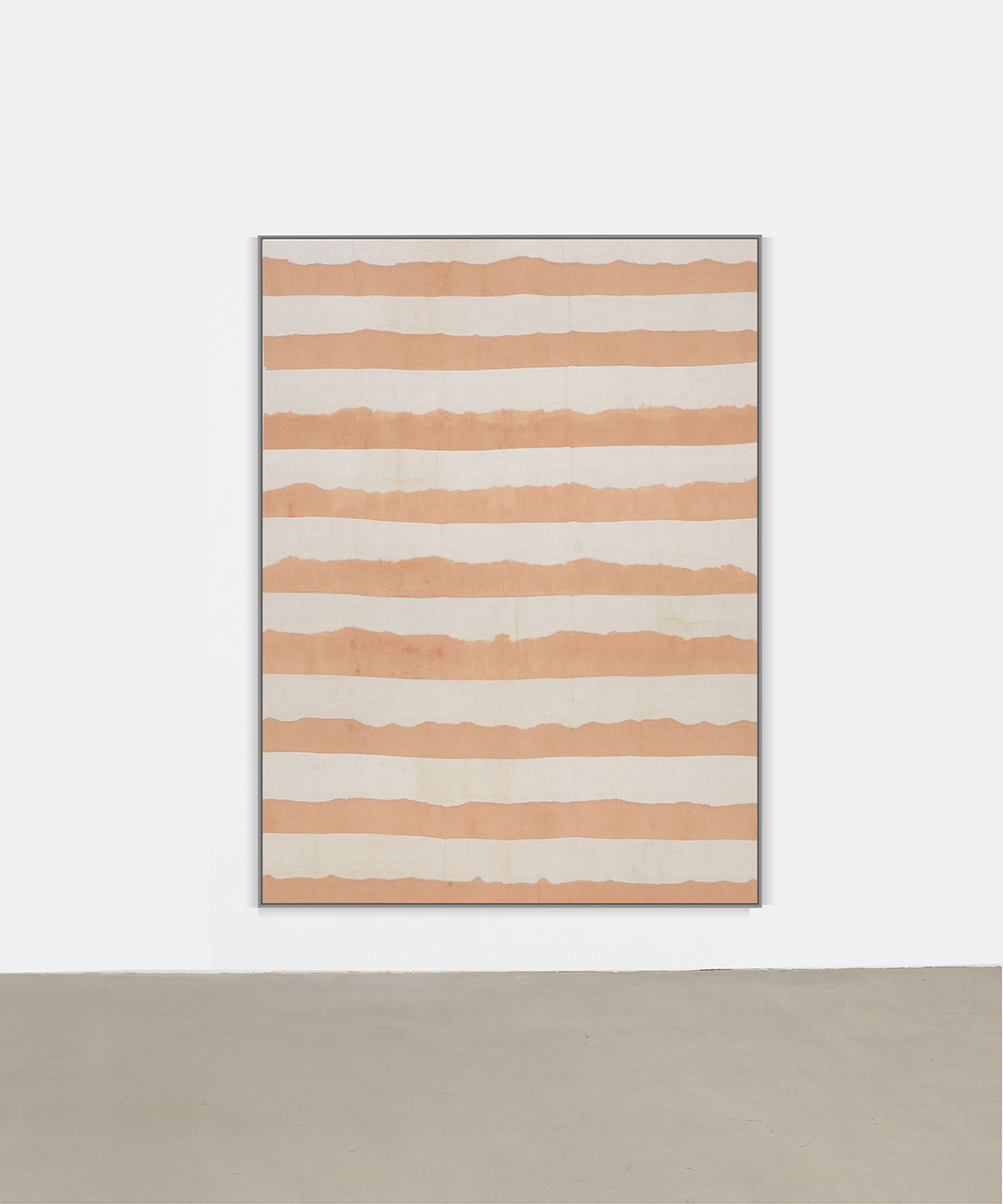
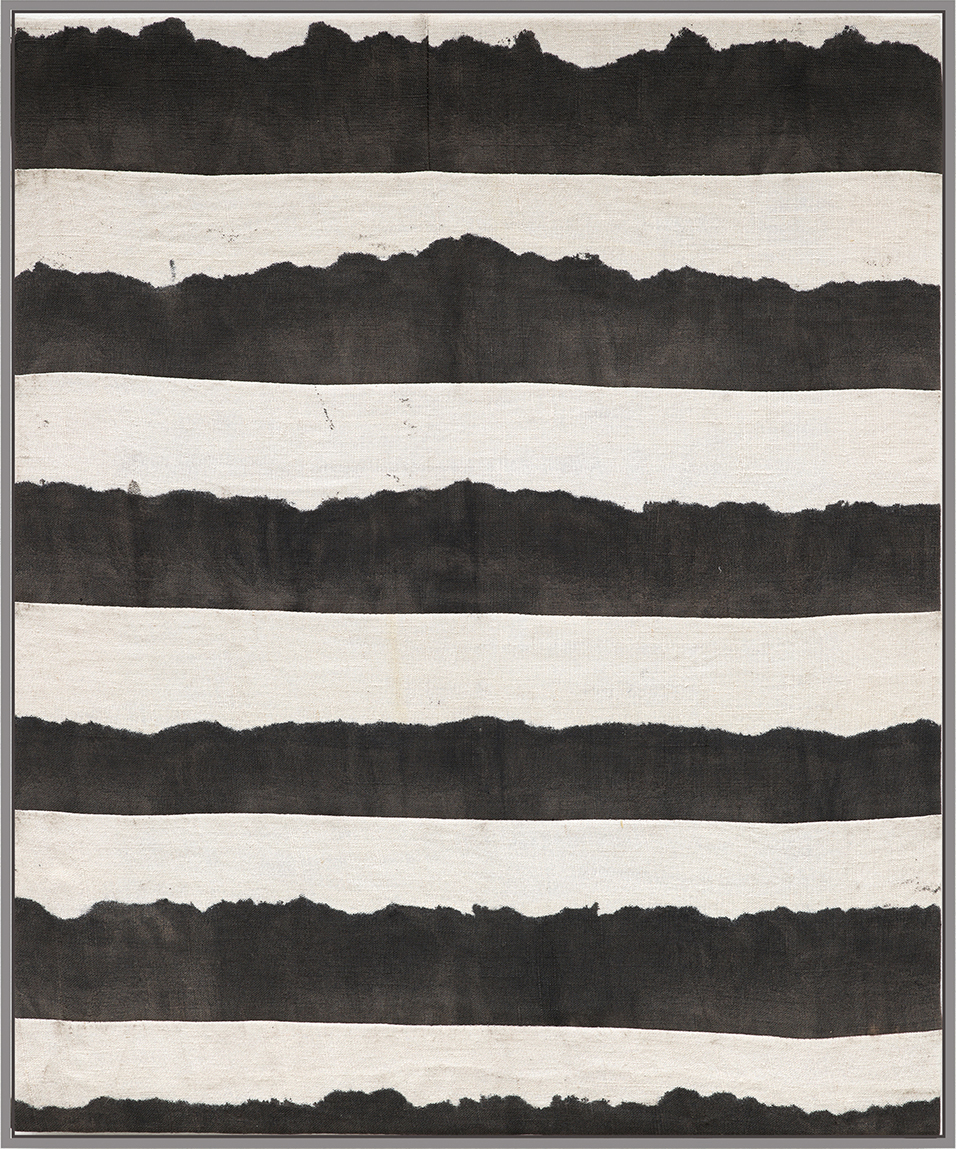
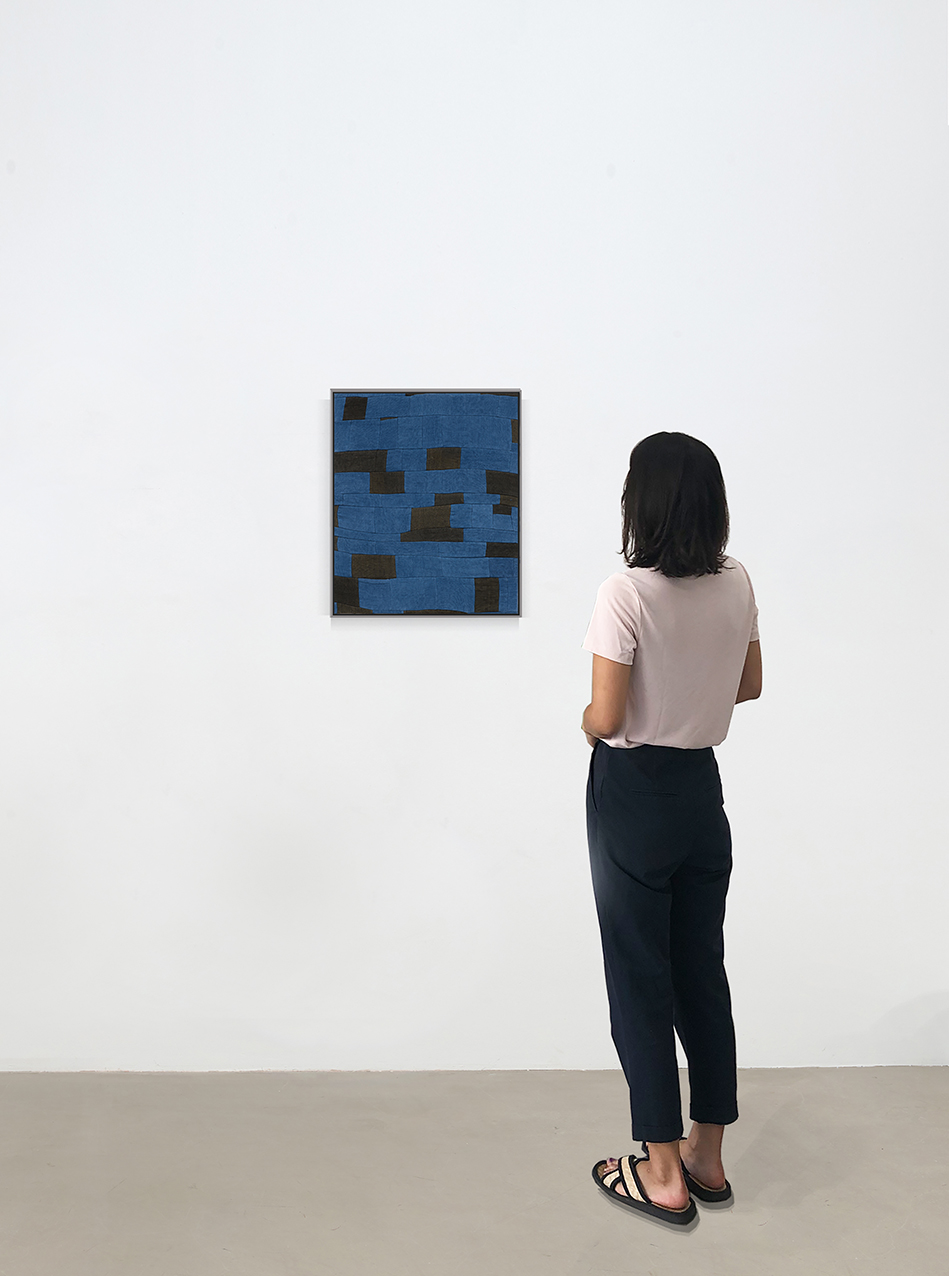
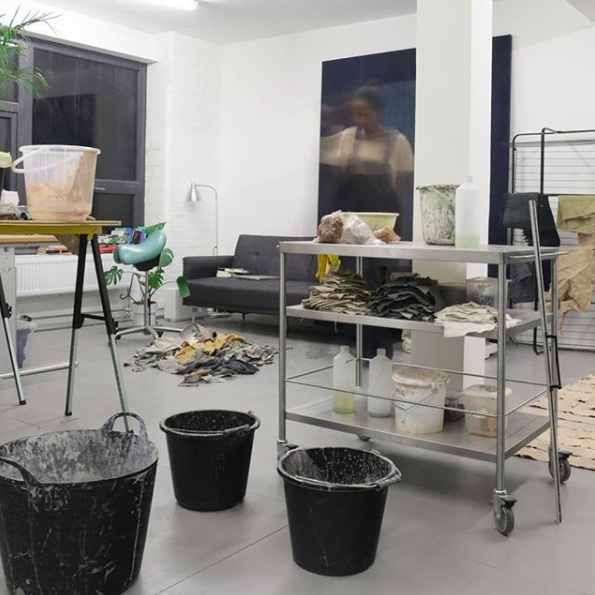
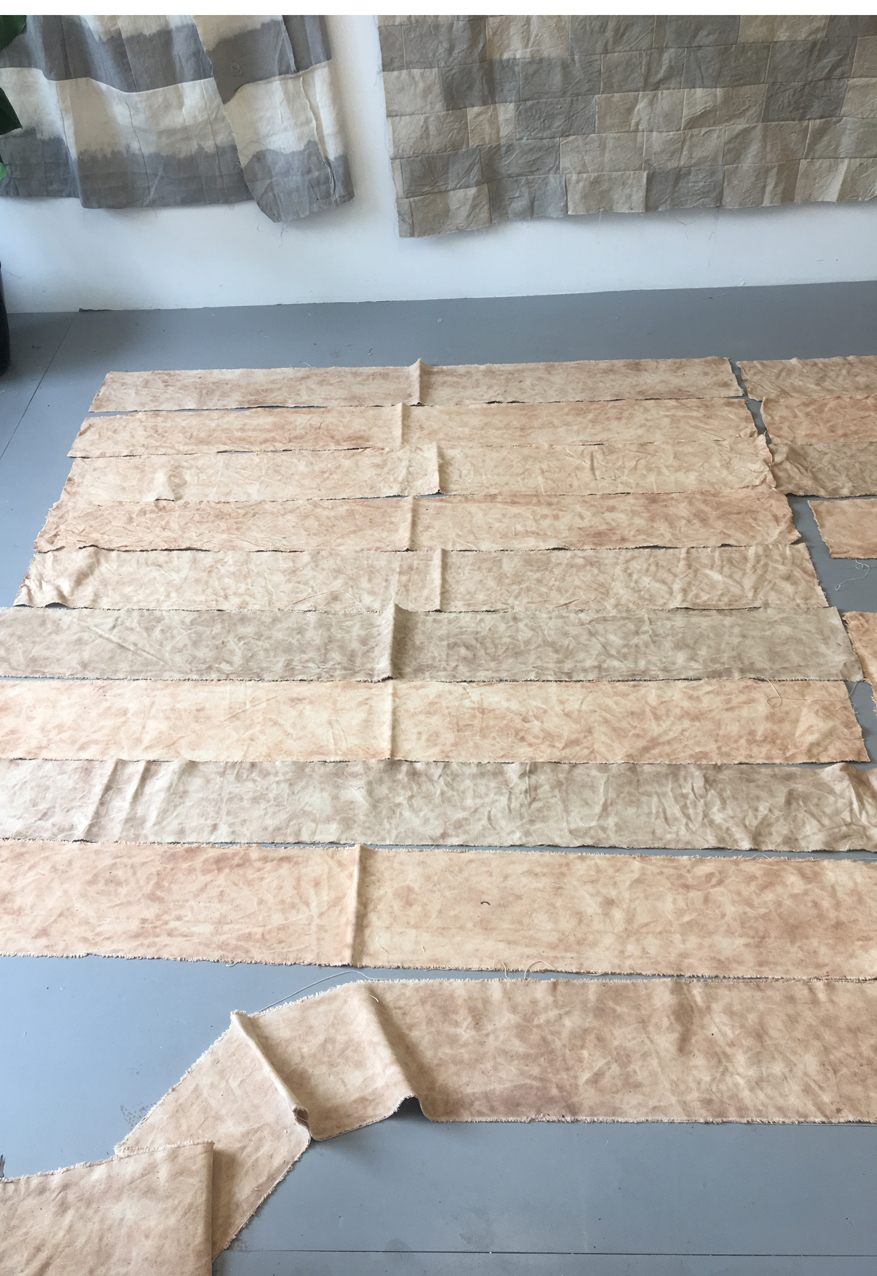
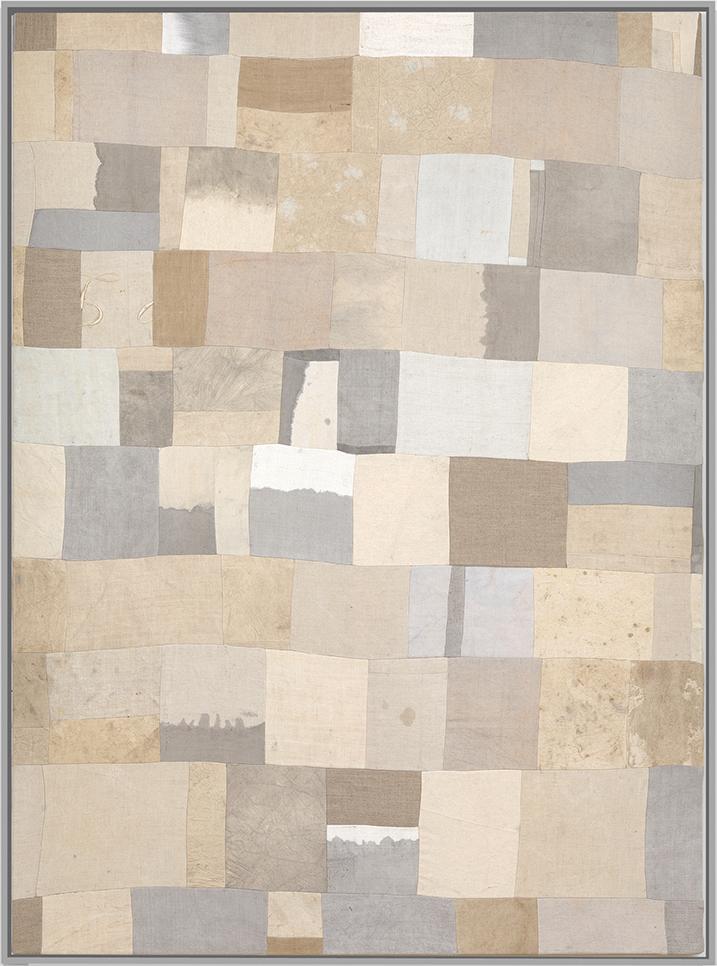
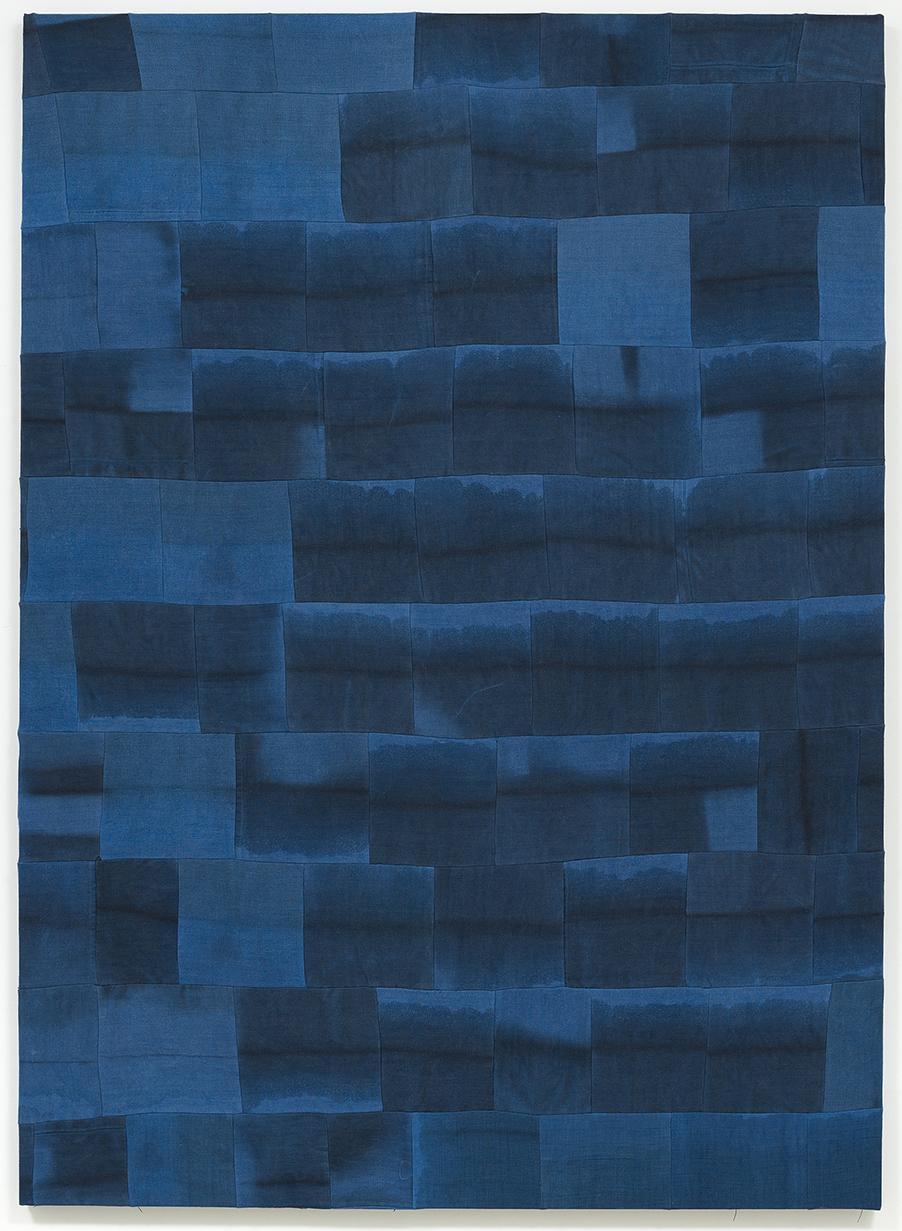
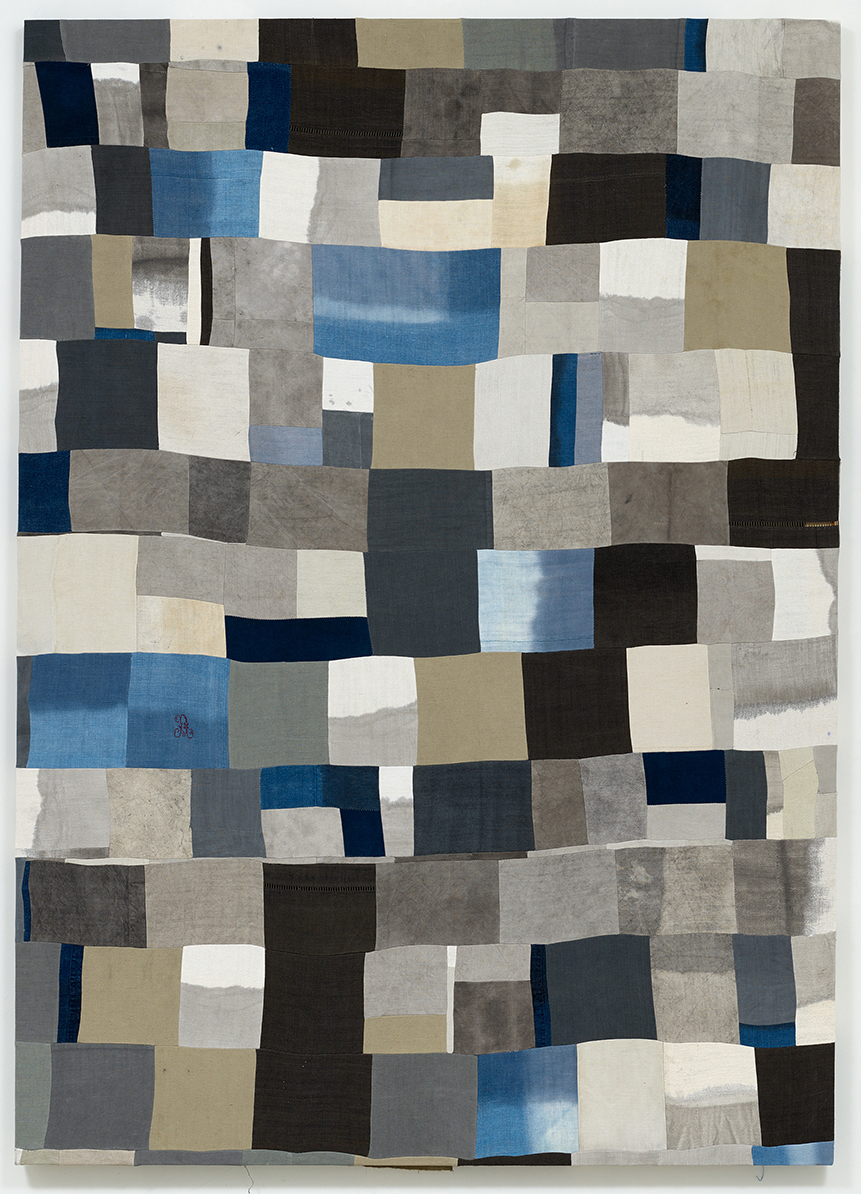
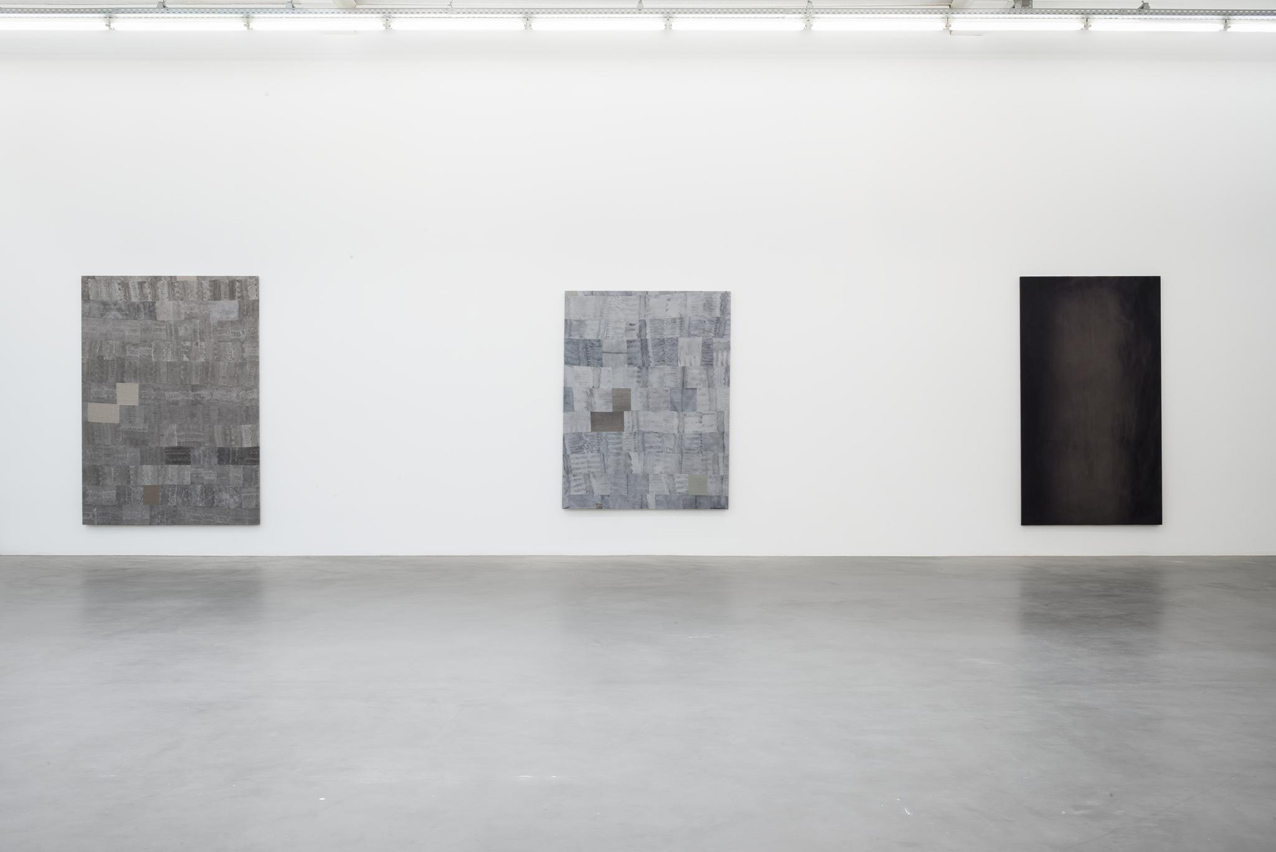
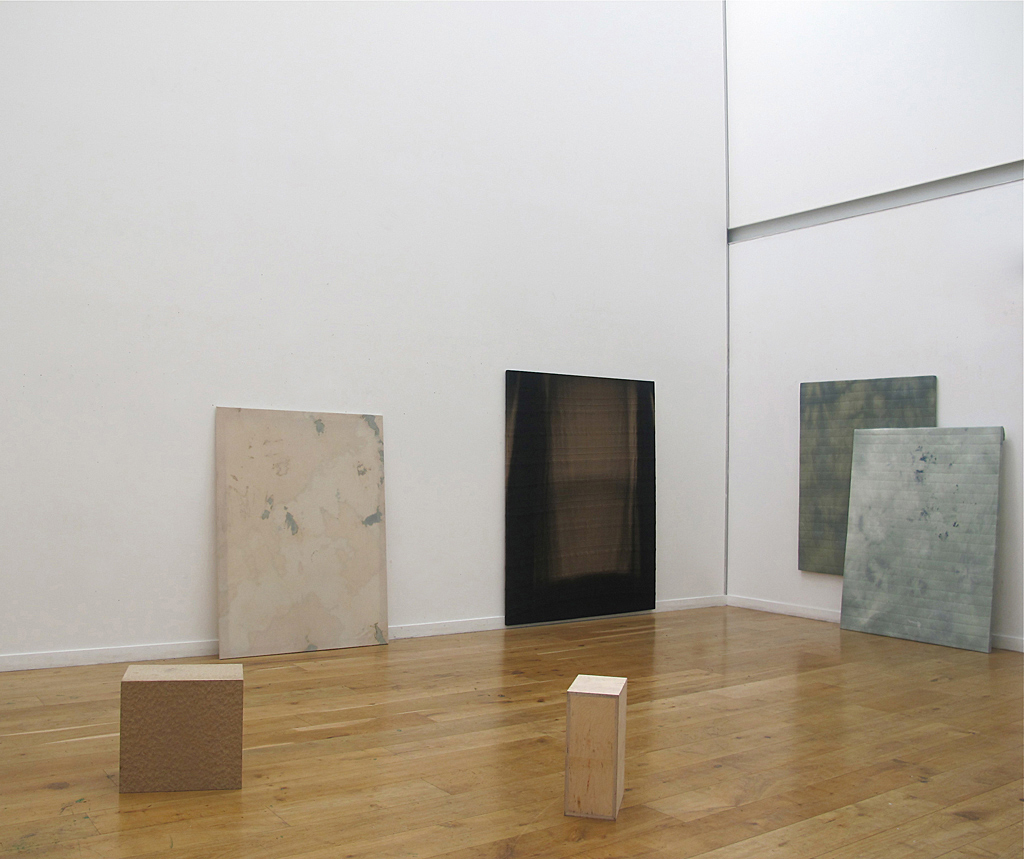
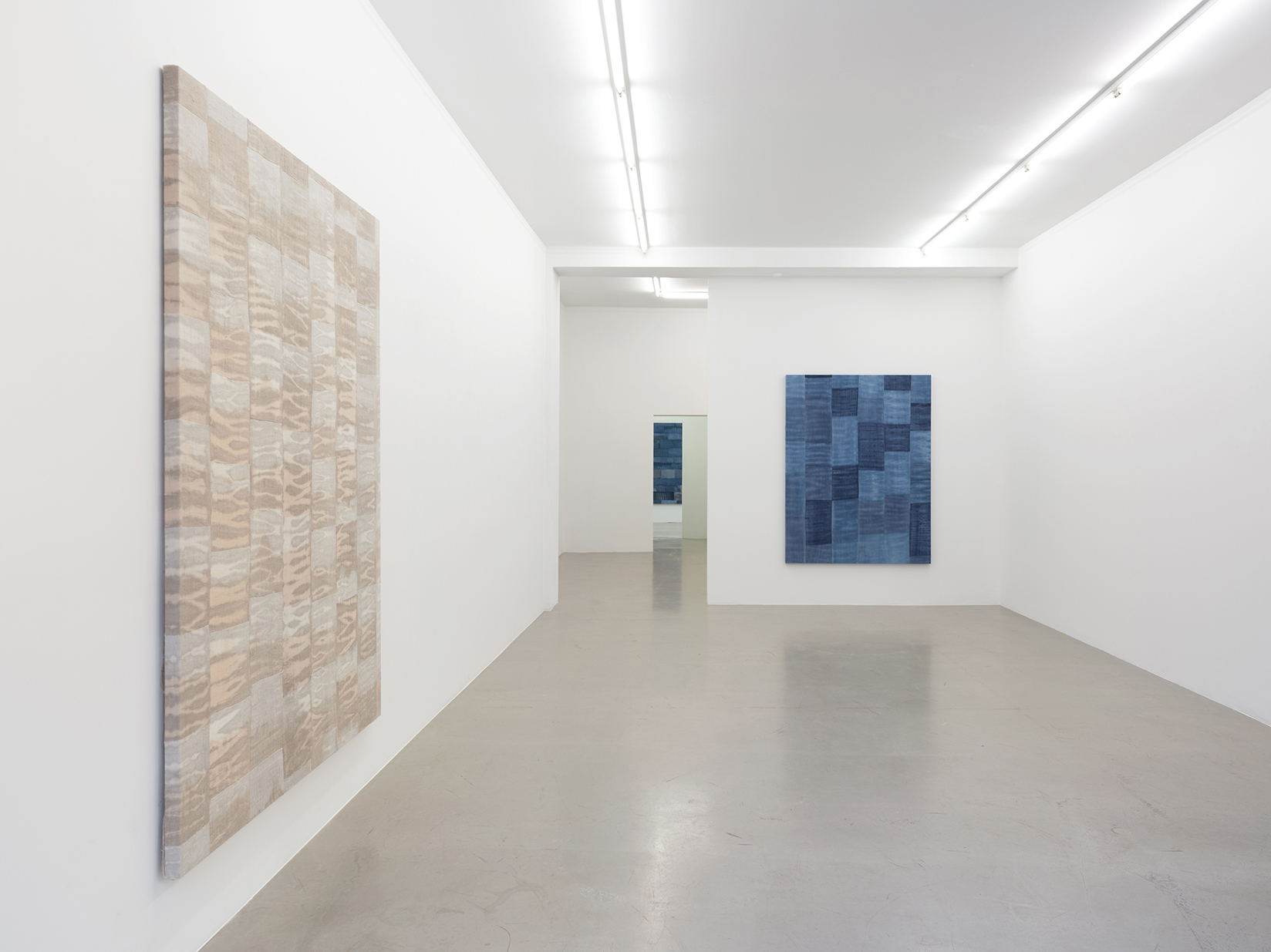
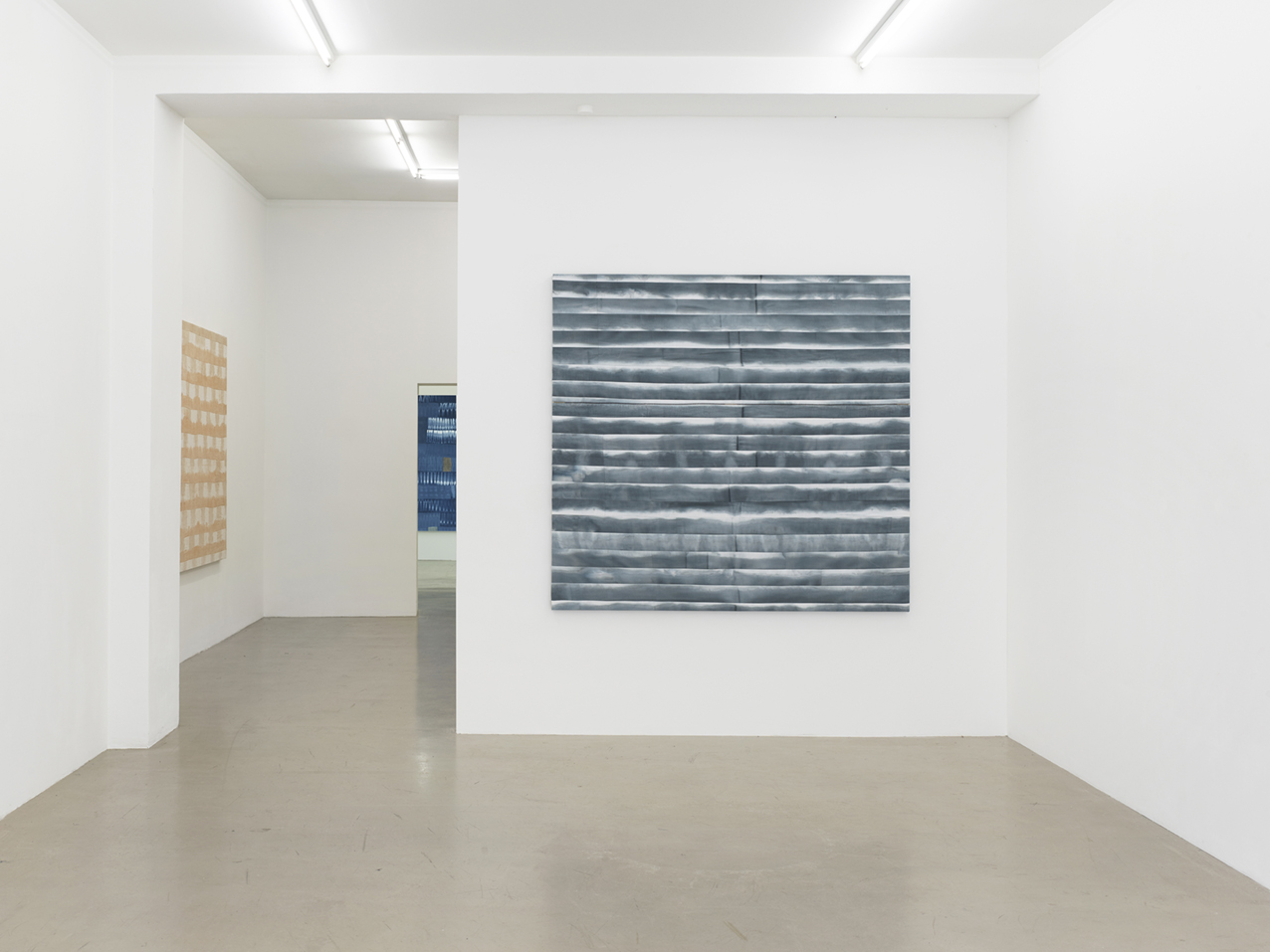
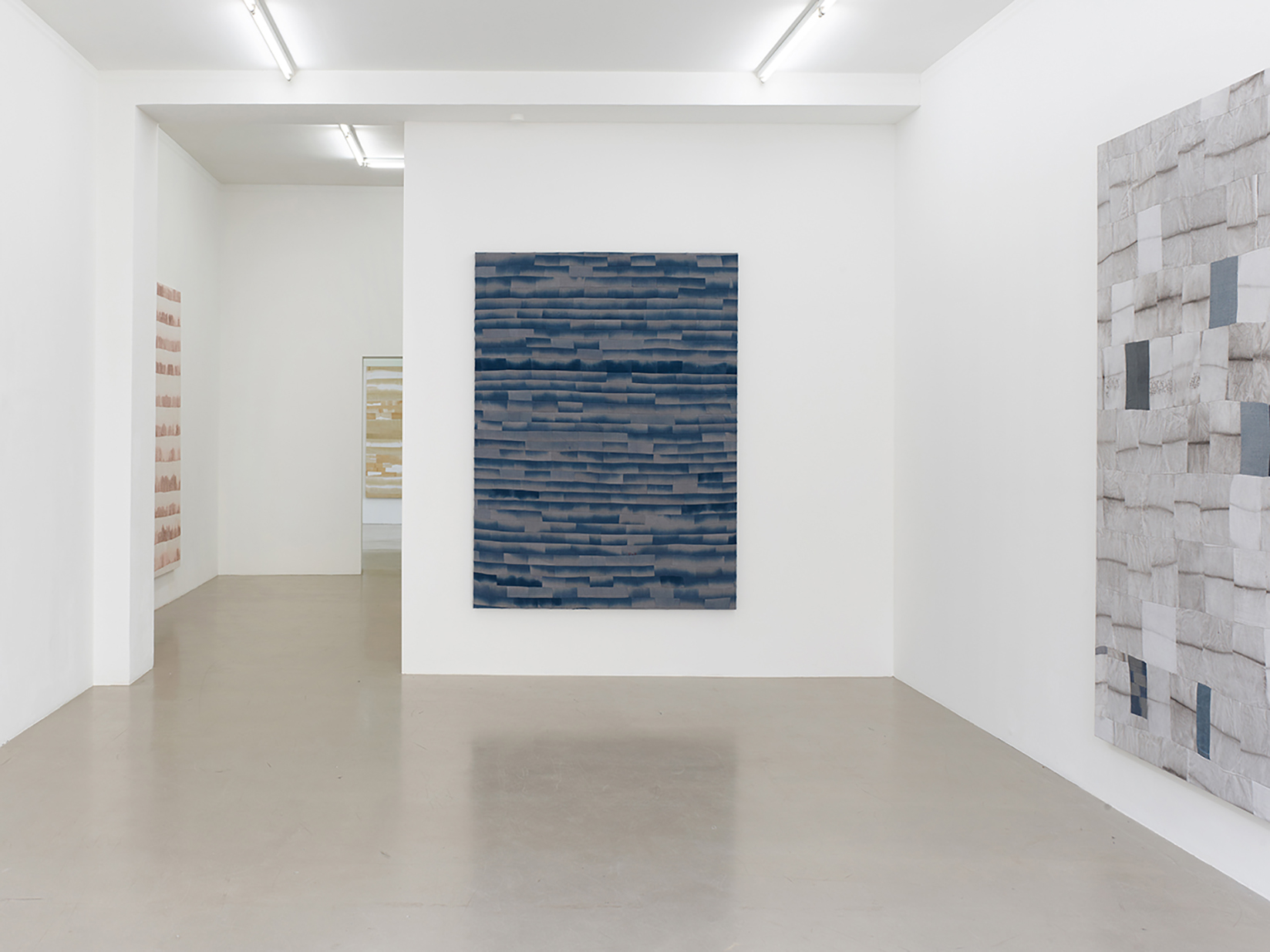
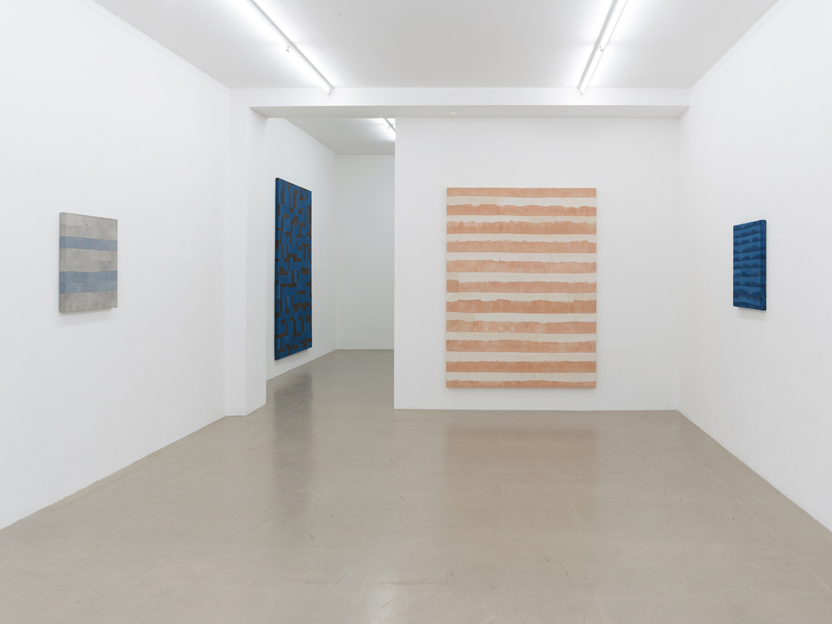
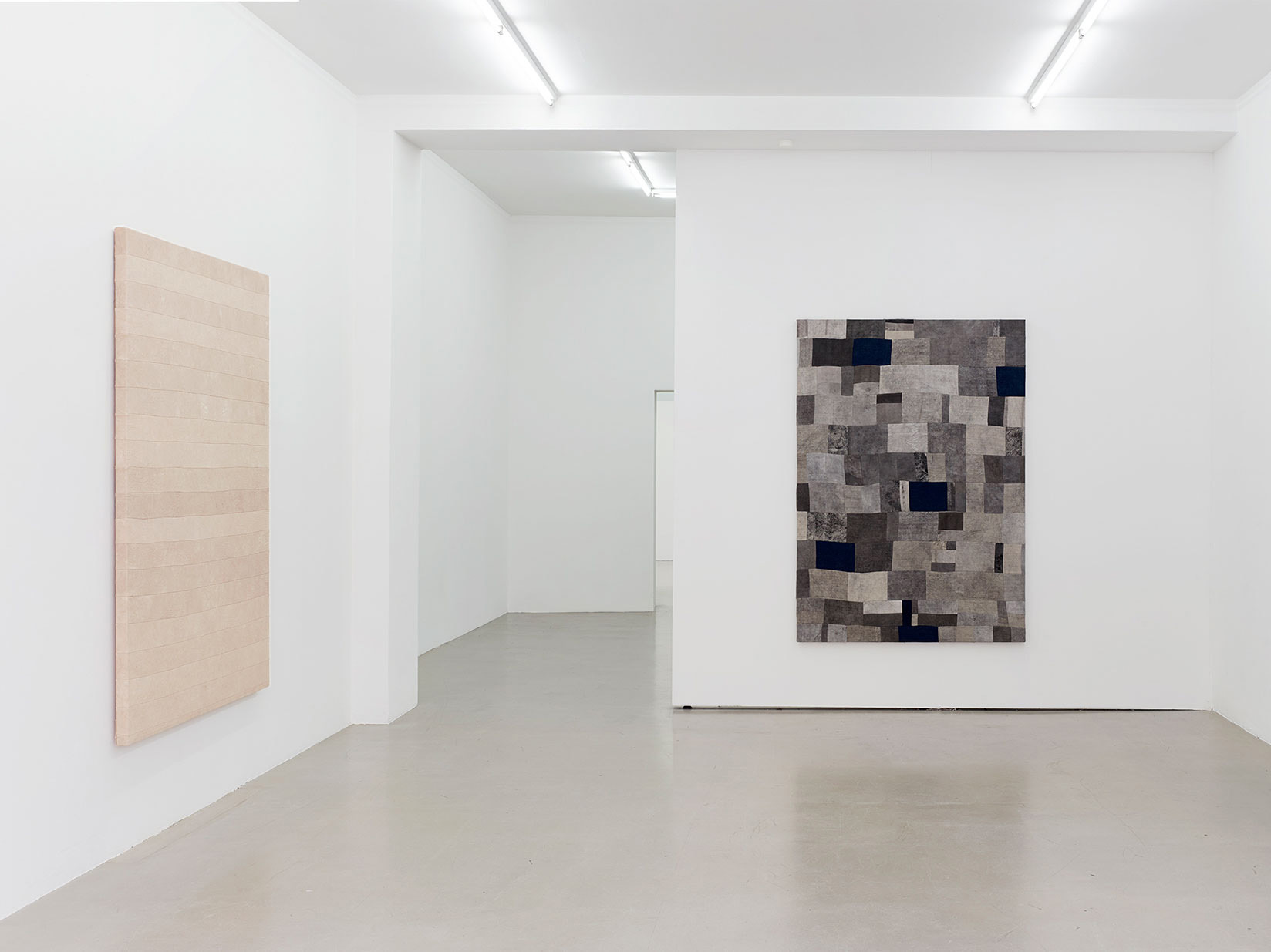
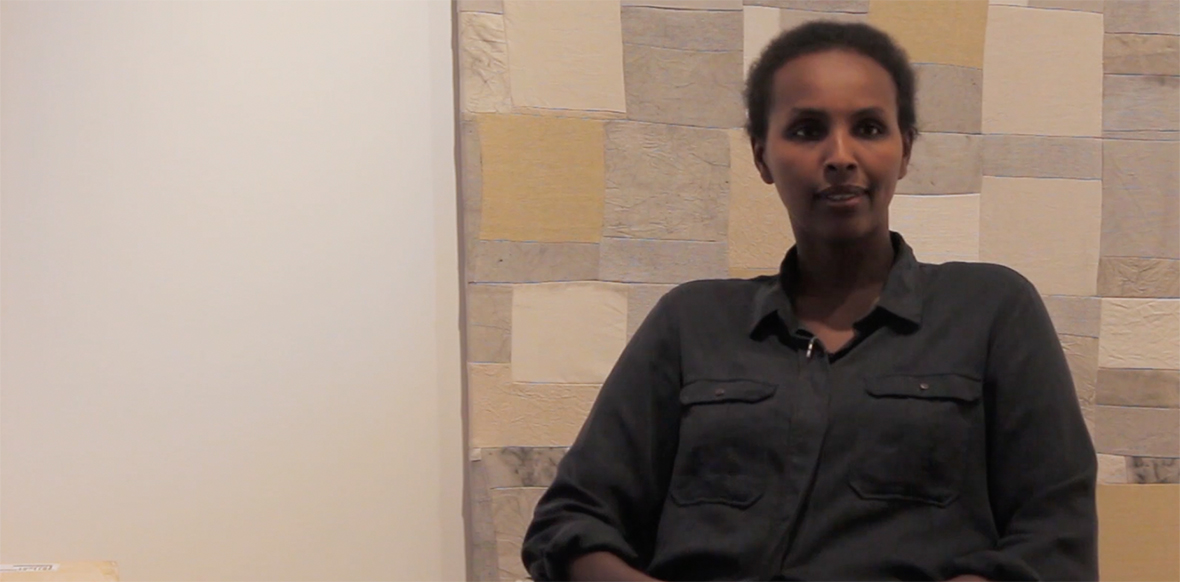
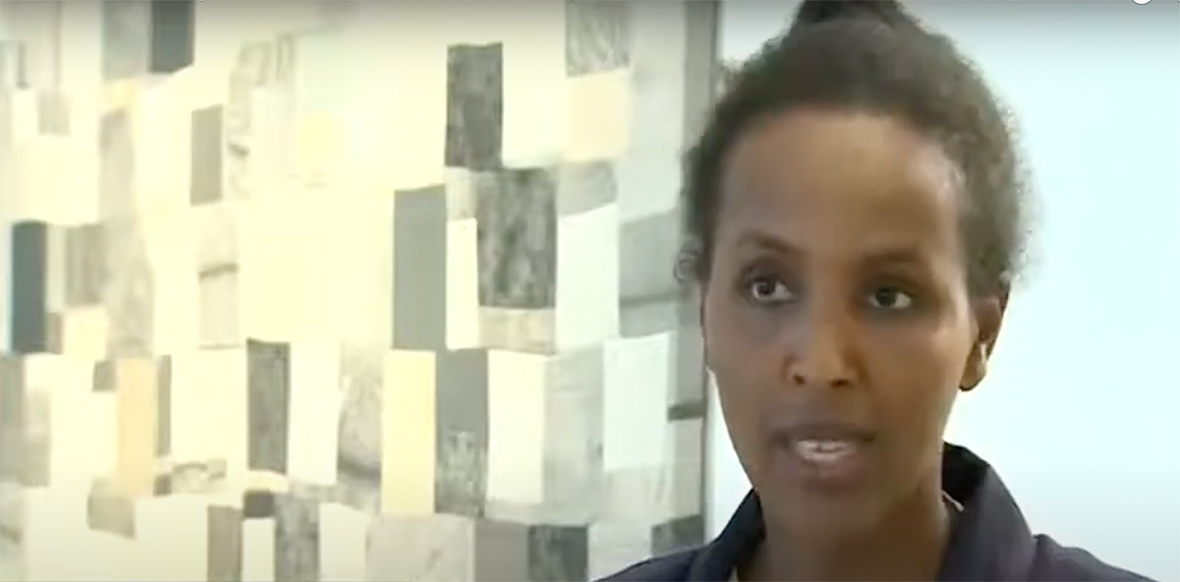
How do we define a place? Ayan Farah’s work is marked by her deep interest in the geographical and geopolitical characteristics of the places she spends time in, most recently Sweden, Senegal and England. In these places, she collects minerals, soil or plants such as indigo, which she later uses in her studio to produce pigments for dyeing. The “pictorial ground” always consists of historical textiles from the 18th and 19th centuries, which Ayan Farah cuts up into individual fragments for dyeing and later sews together again by hand and machine to form strict compositions. During the dyeing process, the textiles become “ vessels” of the geographical characteristics of certain places as well as their socio- and geopolitical characteristics. At the same time, the textiles are “places of memory” of the stories of their former owners, often “marked” by hand-embroidered initials that refer to past times as an “index” and now become part of Ayan Farah’s works. This “cyclical” approach to textiles, which is currently finding expression in pop culture in the form of “recycled fashion”, is based on Ayan Farah’s biographical roots in Somalia where the collection and processing of textiles with hand embroidery has been practiced by her family. Ayan Farah’s keen eye for the availability of natural resources is also based on the fact that her ancestors were nomads who, depending on water and natural resources, moved from place to place and adapted their way of life to their immediate surroundings.
Born in 1978 in Sharjah, UAE, to Somali Parents, Ayan Farah spent her childhood in Sweden and moved to London where she got her MA at the Royal College of Art. She lives and works in Stockholm. Recent grants and residencies include the Roberts Institute of Art Residency in Scotland, Black Rock in Dakar, and Sven-Harrys Konstmuseum in Stockholm. In May Ayan Farah will represent the Federal Republic of Somalia at the 61st International Art Exhibition – La Biennale di Venezia. For the first time Somalia will have a National Pavilion at the Venice Biennial. Currently her work is shown at „The Art of Collecting“, Moderna Museet, Stockholm, SWE and „AMEFRICA. Diasporic connections in the Jorge M. Pérez Collection.“, CAAC—Centro Andaluz de Arte Contemporáneo, Sevilla, ESP. Her works were recently presented at Black Rock Sénégal/Dak’art Biennale, Dakar, Senegal and in Stockholm Cosmology at Liljevalchs Konsthall, Stockholm (both in 2024) as well as in prominent group shows at El Espacio 23, Miami, Cromwell Place (the Roberts Institute of Art) London, the Sainsbury Centre for Visual Arts, Norwich, and Fondazione Prada, Venice (all 2023), the Hunterian Art Gallery in Glasgow, Bundeskunsthalle, Bonn, The New Art Centre, Salisbury (all 2022) and the Tarble Arts Centre at Eastern Illinois University, Whitechapel Gallery, London (both 2018), Fondation Hipocrine, Paris (2014).Her work is included in the collections of Moderna Museet, Stockholm, The Kadist Foundation, Paris, Stockholm konst, Kunstpalast, Düsseldorf, Sammlung Zeitgenössischer Kunst der Bundesrepublik Deutschland, Public Art Agency Sweden, The Hill Collection, New York, El Espacio 23, Miami, and the David and Indré Roberts Collection, London.